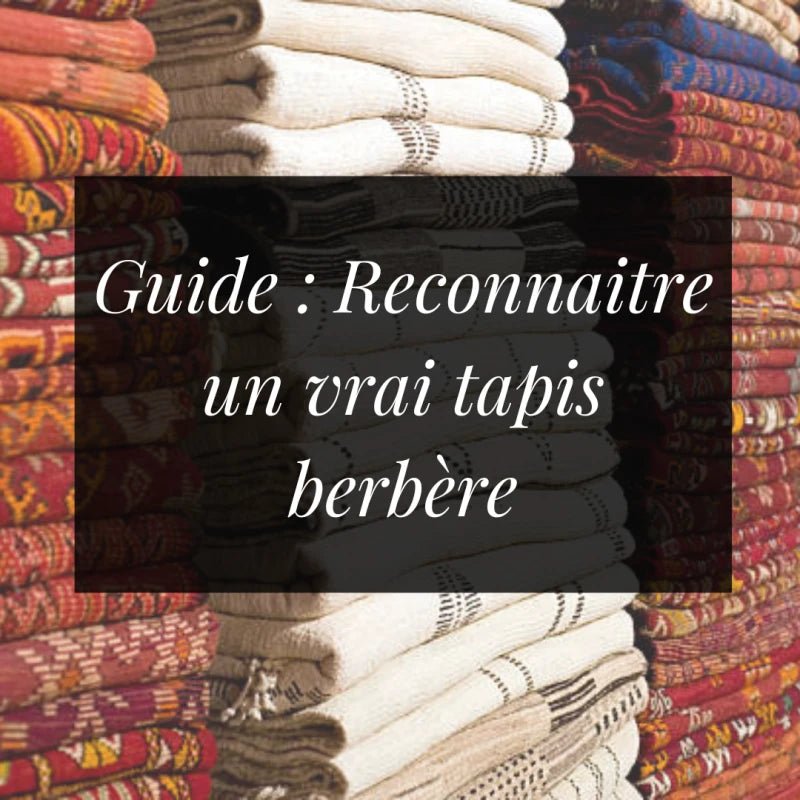
What Is an Authentic Berber Rug
At the heart of Moroccan traditions, the Berber rug stands as a true epic of ancestral craftsmanship. These handwoven rugs are timeless treasures, carrying within them the echoes of ancient legends, the whispers of the Middle Atlas Mountains, and the very essence of Berber culture. But in a world where counterfeits are commonplace, how can you distinguish a genuine Berber rug from an imitation? This article will guide you through the intricacies of authenticity, revealing the secrets of these rugs and offering tips to help you recognize genuine masterpieces from imitations.
Unique Characteristics of Genuine Berber Rugs
The Berber rug, with its timeless charm and rich history, is an invaluable treasure of Moroccan craftsmanship. But what makes these rugs so special and distinctive? Why are they so highly sought after by art and décor enthusiasts around the world? The answer lies in the unique characteristics that define genuine Berber rugs.
Natural Materials:
- Pure Wool: Wool is the very essence of the Berber rug. Sourced directly from sheep raised in the Middle and High Atlas Mountains, this wool is renowned for its strength and softness. It is spun by hand, a technique that preserves all its natural oils. These oils give the rug unparalleled softness and durability, allowing it to withstand the test of time.
- Natural Dyes: The colors of authentic Berber rugs come from natural dyes. Whether derived from plants, berries, bark, or minerals, these dyes imbue the wool with vibrant, long-lasting hues without the use of chemicals.

Patterns and Symbolism:
Every pattern on a Berber rug is a window into the weaver's soul. These designs often reflect personal events, local legends, or spiritual beliefs. For example, a diamond may symbolize protection, while a series of zigzags may represent life's ups and downs.
No genuine Berber rug is exactly like another. Even if two rugs share similar patterns, subtle variations in weaving, color shades, and design layout make each rug a unique work of art.

Weaving Technique:
The weaving of Berber rugs is an art passed down from generation to generation. The weavers, who are often women, spend months weaving a single rug using techniques that have changed little over the centuries.
Every knot and strand of wool is placed with meticulous precision. This attention to detail gives Berber rugs their rich texture and visual complexity.
Origin and Authenticity:
There are many Berber tribes across Morocco, each with its own styles, patterns, and weaving techniques. Whether it is the Beni Ouarain rugs of the Middle Atlas with their distinctive geometric patterns or the Azilal rugs with their vibrant, colorful designs, each rug bears the signature of its tribe of origin. To learn more, read this article about the most famous Berber rugs on the market.
More than just an object, a Berber rug is a living testament to the culture, history, and lives of the Berber people. Each rug tells a story, capturing moments of joy, sorrow, hope, and dreams.
Genuine Berber rugs are masterpieces of craftsmanship, works of art that embody the soul and essence of a millennia-old culture. Their beauty lies as much in their appearance as in the stories and traditions they represent.

How to Distinguish Authentic Berber Rugs from Counterfeits
In a world where demand for authentic Berber rugs is steadily increasing, it is no surprise to see counterfeits appear on the market. Although sometimes visually similar, these imitations cannot match the quality, texture, and history of a genuine Berber rug. So how can you distinguish an authentic Berber rug from a counterfeit? Here are a few key factors to consider.
- Origin of the Rug: A rug's origin is often the first indicator of its authenticity. A genuine Berber rug comes from the mountainous regions of Morocco, particularly the Middle and High Atlas. If a seller claims that the rug comes from another region or country, it is likely not an authentic Berber rug.
- Texture and Materials: As mentioned earlier, genuine Berber rugs are made from pure wool, often spun by hand. This wool has a distinctive texture that is soft yet durable. Counterfeits, on the other hand, may be made from synthetic materials that do not feel the same.
- Patterns and Colors: Although Berber rug patterns may vary from tribe to tribe, they all possess a certain authenticity in their design. Counterfeits may feature patterns that look "too perfect" or do not match traditional Berber rug designs. Furthermore, genuine Berber rugs use natural dyes, which produce softer, more nuanced colors, unlike the bright, artificial shades of counterfeits.
- Price: Given the time, effort, and materials required to make it, an authentic Berber rug will have a cost. If a rug is offered at a price that seems too good to be true, it is likely a counterfeit.
- Ask for the Story: An authentic seller will be able to tell you the rug's story, its origin, the tribe that made it, and perhaps even the weaver herself. This story is an integral part of the rug's value.
Although counterfeits can sometimes deceive the eye, careful inspection and a basic understanding of the characteristics of genuine Berber rugs can help you distinguish the real thing from an imitation. Buying a genuine Berber rug is not only an investment in a work of art but also a contribution to preserving a cultural and artisanal heritage.
Buying Authentic Berber Rugs: Where and How
Buying an authentic Berber rug is an experience in itself, combining artistic appreciation with cultural discovery. However, with the growing popularity of these rugs, it is essential to know where and how to buy to ensure authenticity and quality. Here are a few tips to guide you on your quest.
Visit the Regions of Origin:
If you have the opportunity to travel to Morocco, it is the ideal place to buy an authentic Berber rug. By going directly to the Middle and High Atlas regions, you can not only see the artisans at work but also buy directly from them, ensuring authenticity and directly supporting local communities.

Specialty Stores:
If traveling to Morocco is not an option, look for specialty stores in your country or online, such as www.mazir.fr. These stores, often run by connoisseurs or enthusiasts of Moroccan craftsmanship, offer a carefully curated selection of authentic rugs.
Ask Questions:
When considering buying a rug, do not hesitate to ask about its origin, the materials used, the tribe that made it, and more. An authentic seller will be able to answer these questions and provide details about the rug.
Examine the Rug:
As mentioned earlier, the texture, patterns, and colors can give you clues about the rug's authenticity. Take the time to examine the rug in detail, feel the wool, and look closely at the patterns. If you are in the Paris region, you can visit our showroom to see all our rugs!
Beware of "Good Deals":
An authentic Berber rug is the result of many hours of work and ancestral craftsmanship. If a rug is offered at an astonishingly low price, it may be a sign that it is not an authentic product.
Ask for Certification:
Some sellers may provide a certificate of authenticity for their rugs. Although this is not common everywhere, such certification can offer additional peace of mind.
Buying an authentic Berber rug is an investment that deserves careful consideration and research. By taking the time to learn and choose carefully, you can not only acquire a magnificent work of art but also support a rich history of craftsmanship and tradition.
The Essential Guide for Berber Rug Enthusiasts
Berber rugs are timeless treasures, pieces of history woven with passion and devotion. By learning to recognize the signs of authenticity, you can not only enrich your home with an exceptional piece but also support a millennia-old tradition. At Mazir, we are proud to celebrate this heritage by offering you a selection of authentic Berber rugs, woven with love and devotion. Each rug is an invitation to travel through time, discover a rich culture, and celebrate the art of Berber craftsmanship.
Our Collection of Authentic Berber Rugs
Explore our collection of genuine Berber rugs, featuring unique pieces with varied patterns and vibrant colors.

Authentic Berber rugs are cultural and artistic treasures. Identifying these unique pieces requires an understanding of their distinctive characteristics and a discerning eye. At MAZIR, we are proud to support Berber artisans by offering authentic and ethical Berber rugs. Add a touch of history and beauty to your home décor with an authentic Berber rug.
We hope this guide has helped you better understand the world of authentic Berber rugs. For more information and to discover our collections of Berber products, visit our homepage.
Remember that every authentic Berber rug is unique and tells a story. As a décor enthusiast, you now have the keys to choosing the perfect Berber rug

Leave a comment
All comments are moderated before being published.
This site is protected by hCaptcha and the hCaptcha Privacy Policy and Terms of Service apply.