Berber rug

Filters

Sort by:

301 products

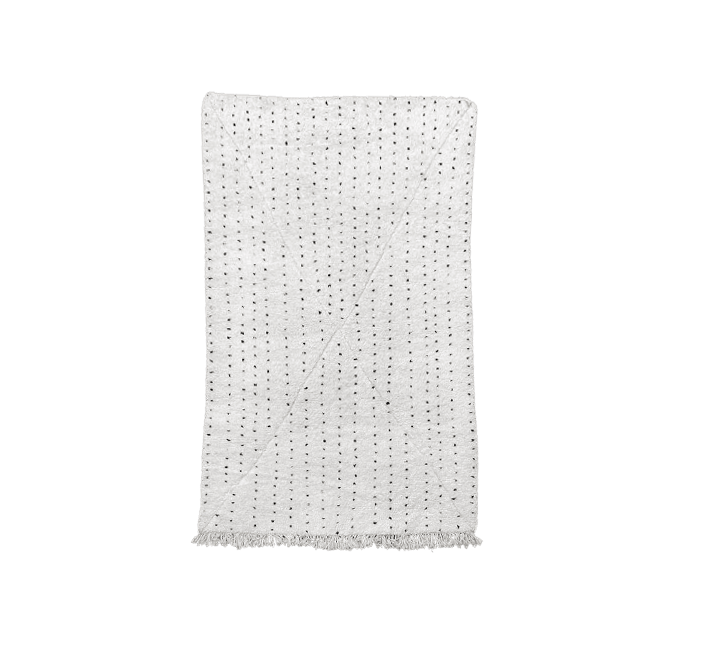
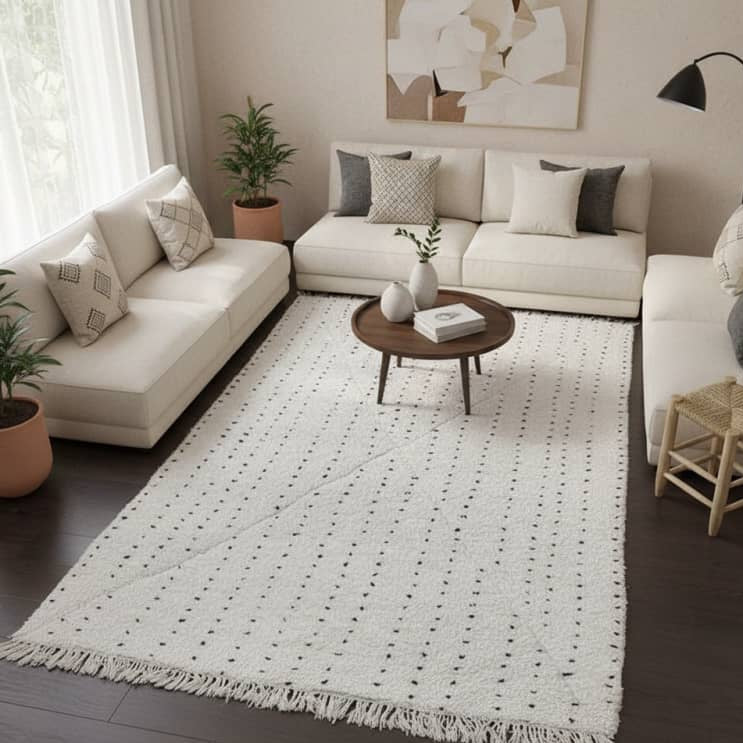
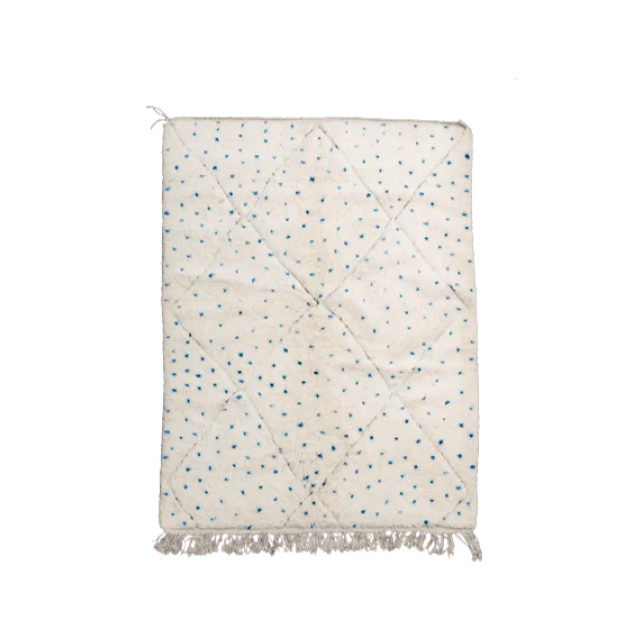
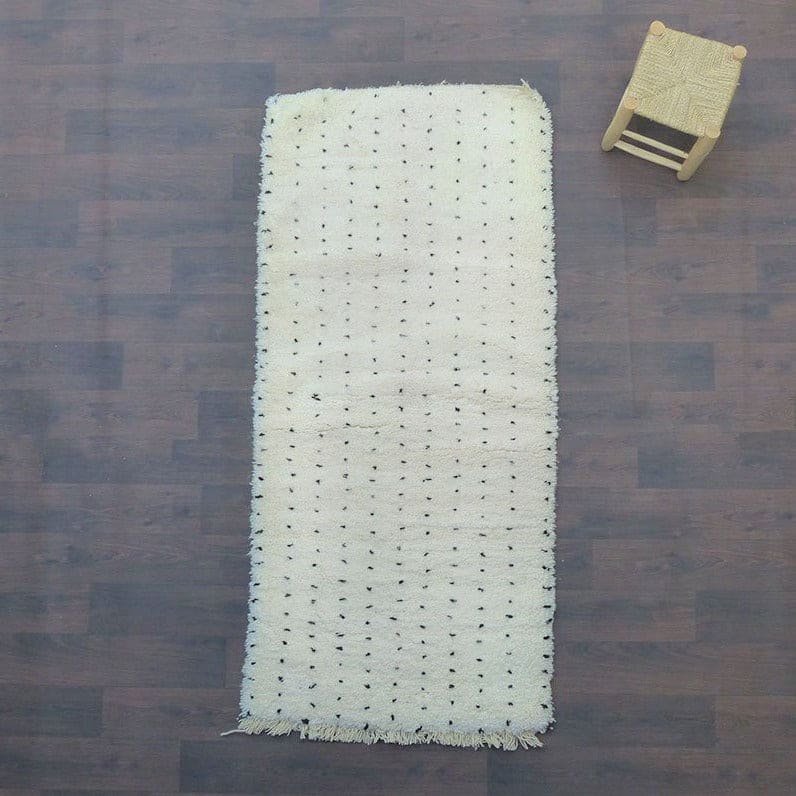
tapis berbère pois noir et losange blanc
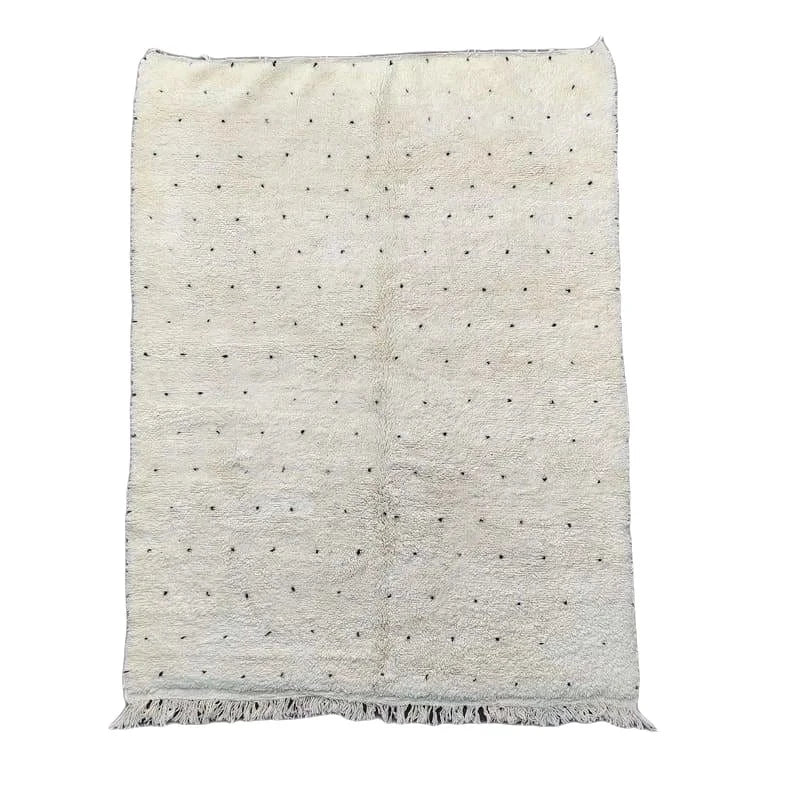
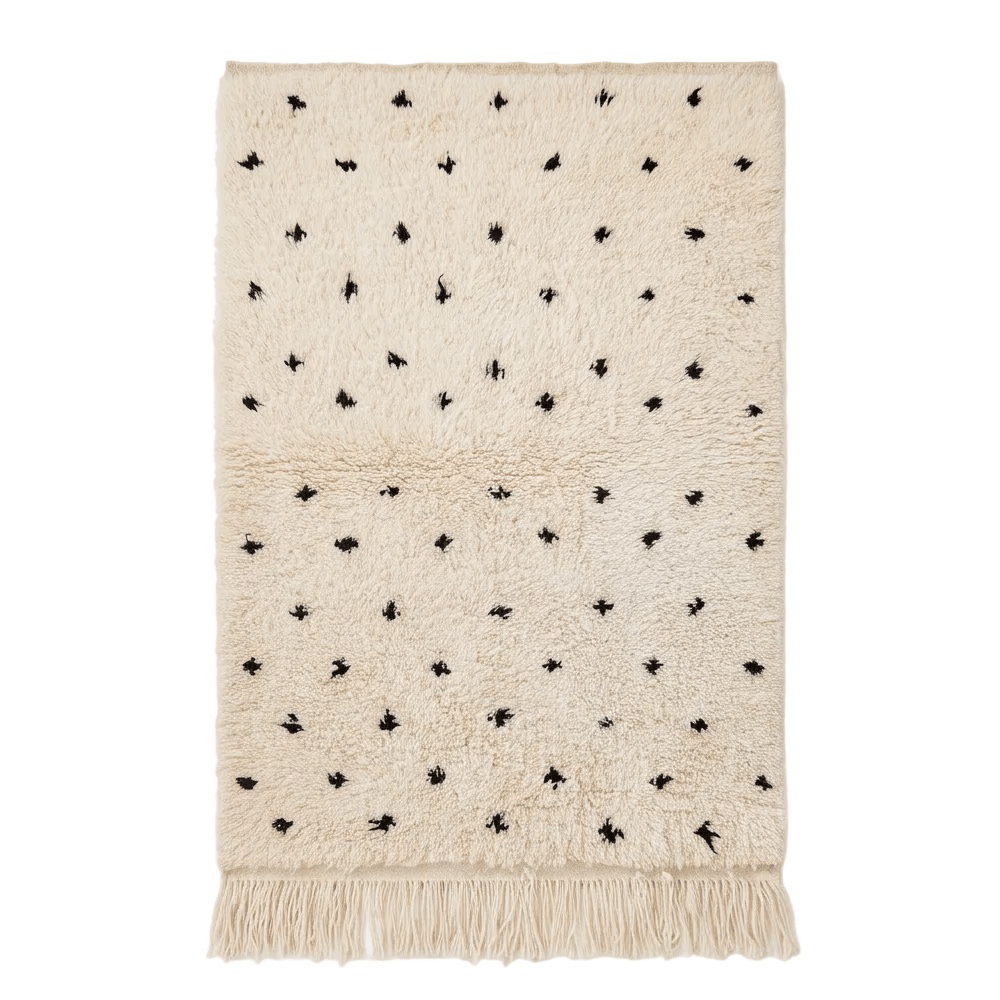
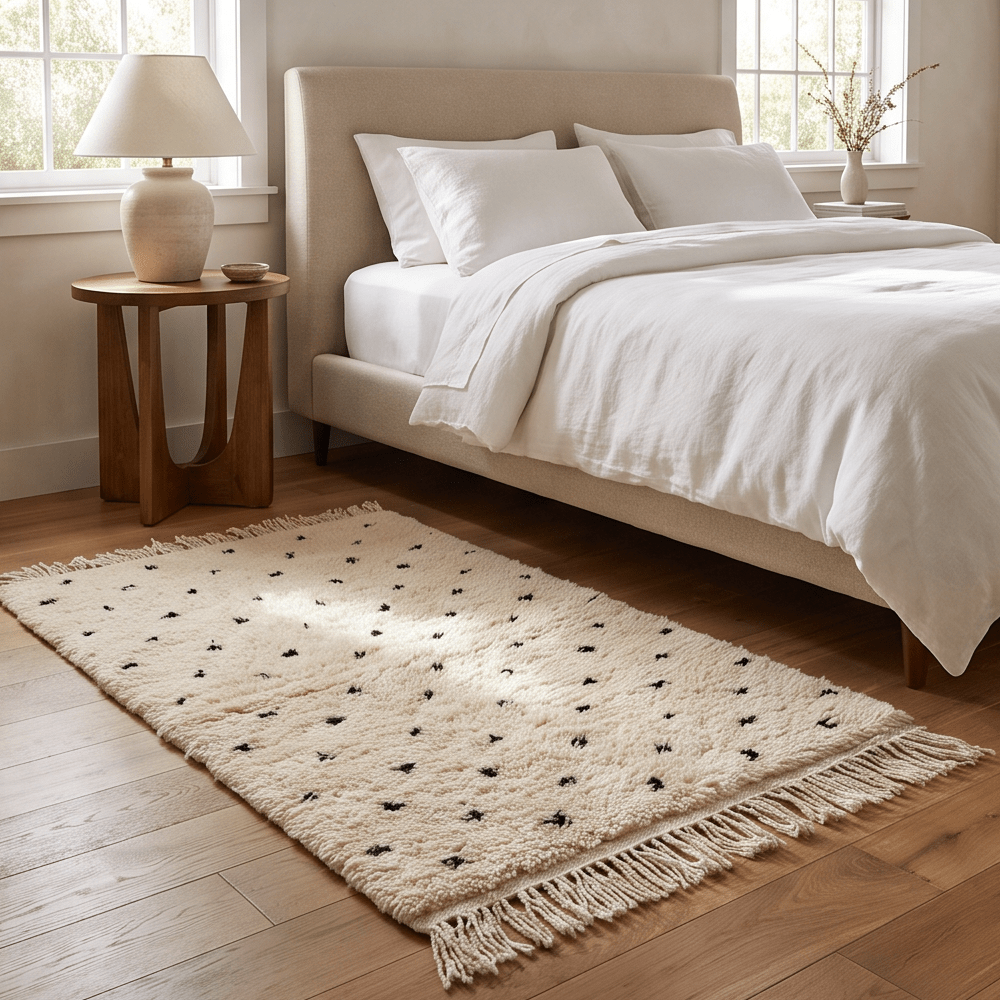
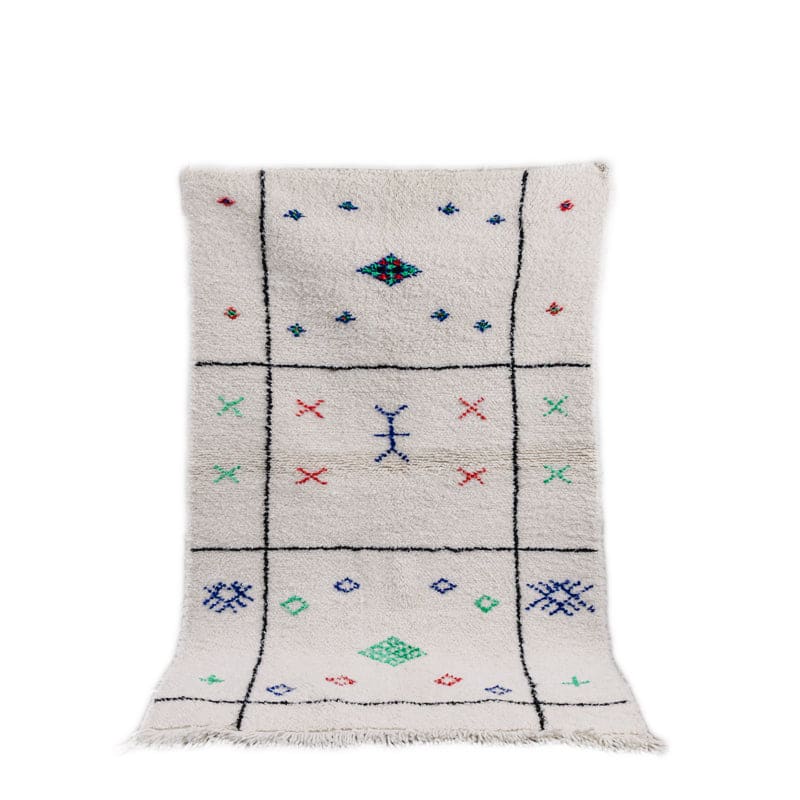
Original Black-Spotted Berber Rug Sale priceFrom $134.00
Tapis berbere la redoute
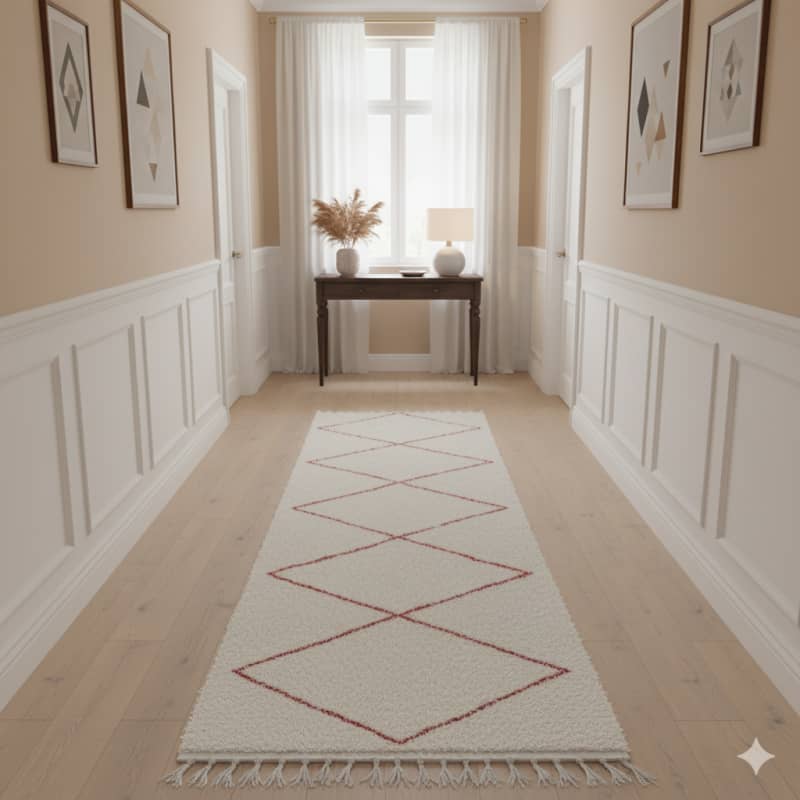
tapis couloir losange rouge
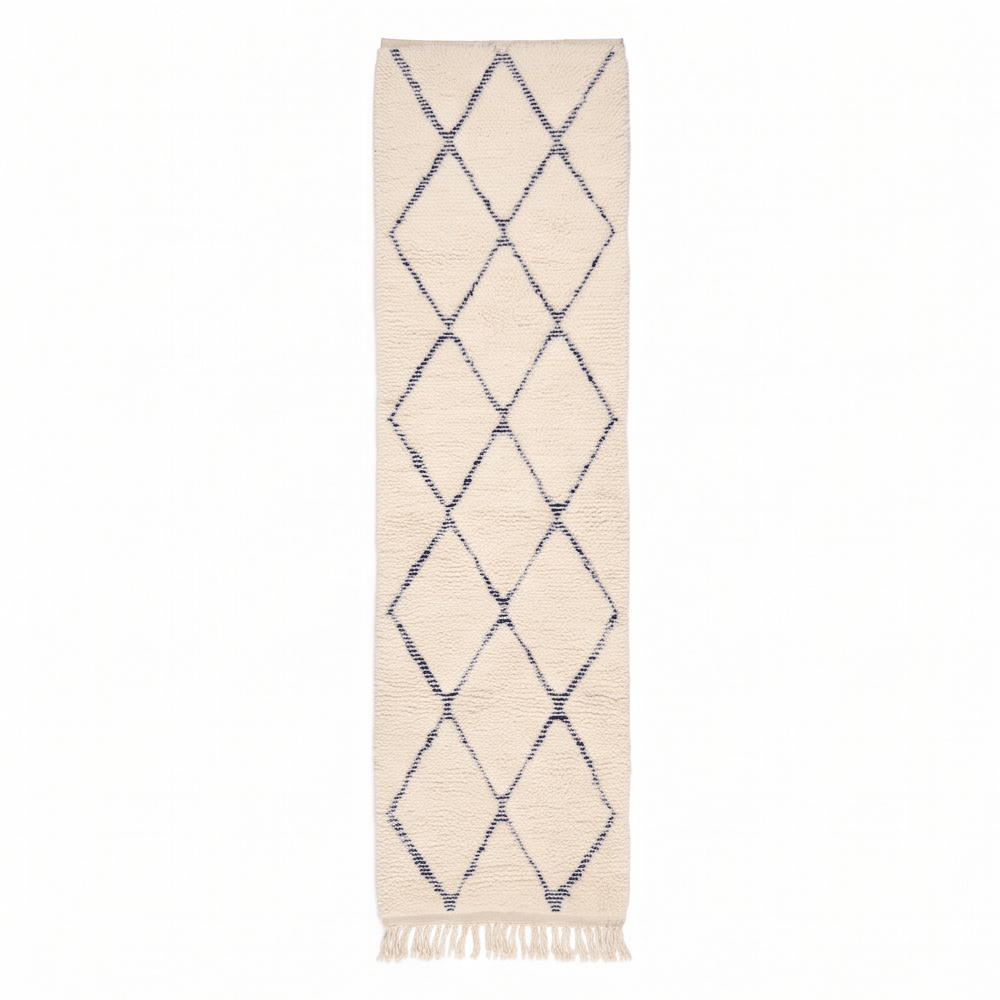
tapis berbère blanc et bleu
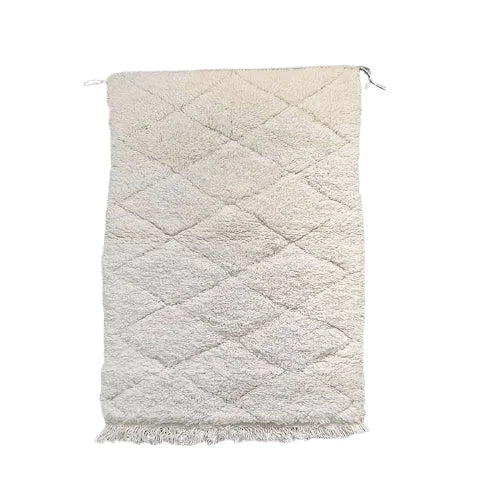
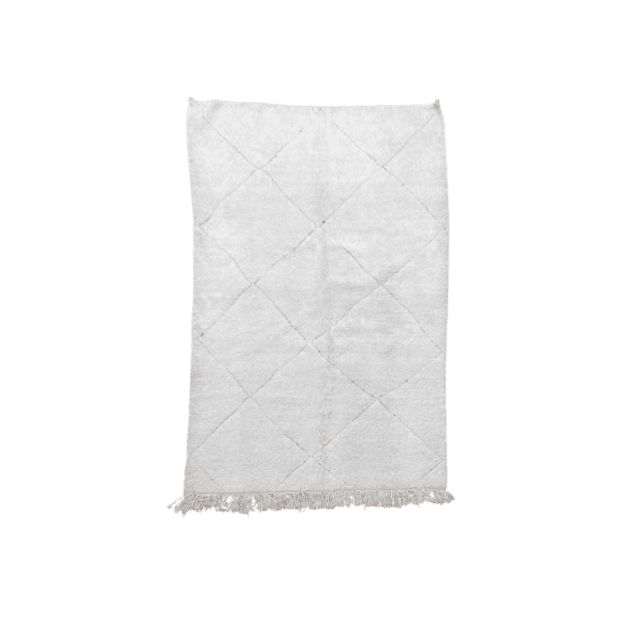
Tapis berbère blanc
tapis berbere de couloir traits parallèles
tapis marocain blanc avec des traits noirs
Tapis berbère graphique
Grand tapis points noirs
tapis berbere noir et blanc
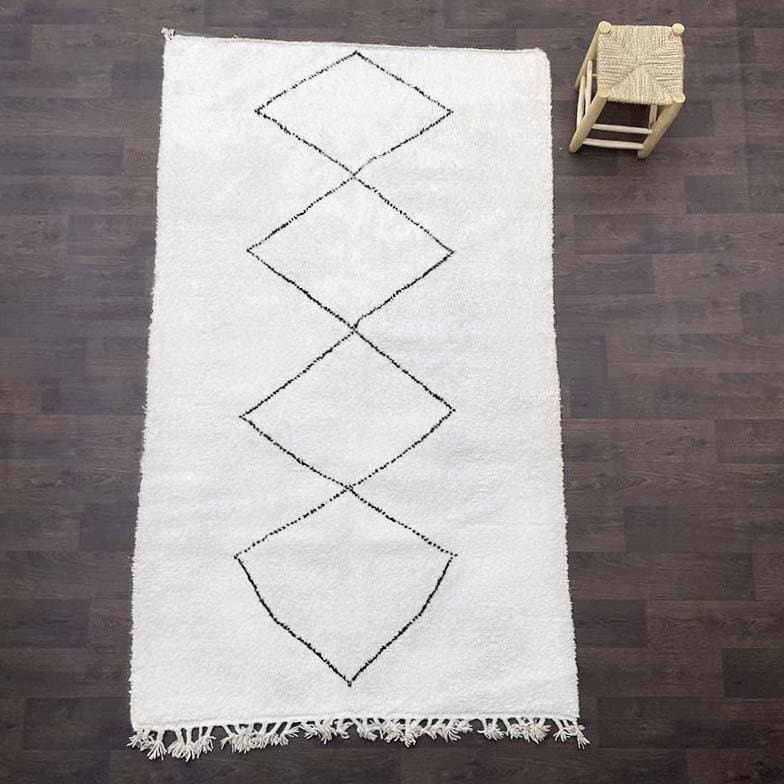
tapis berbere losange creux
tapis berbere blanc
Save 29%
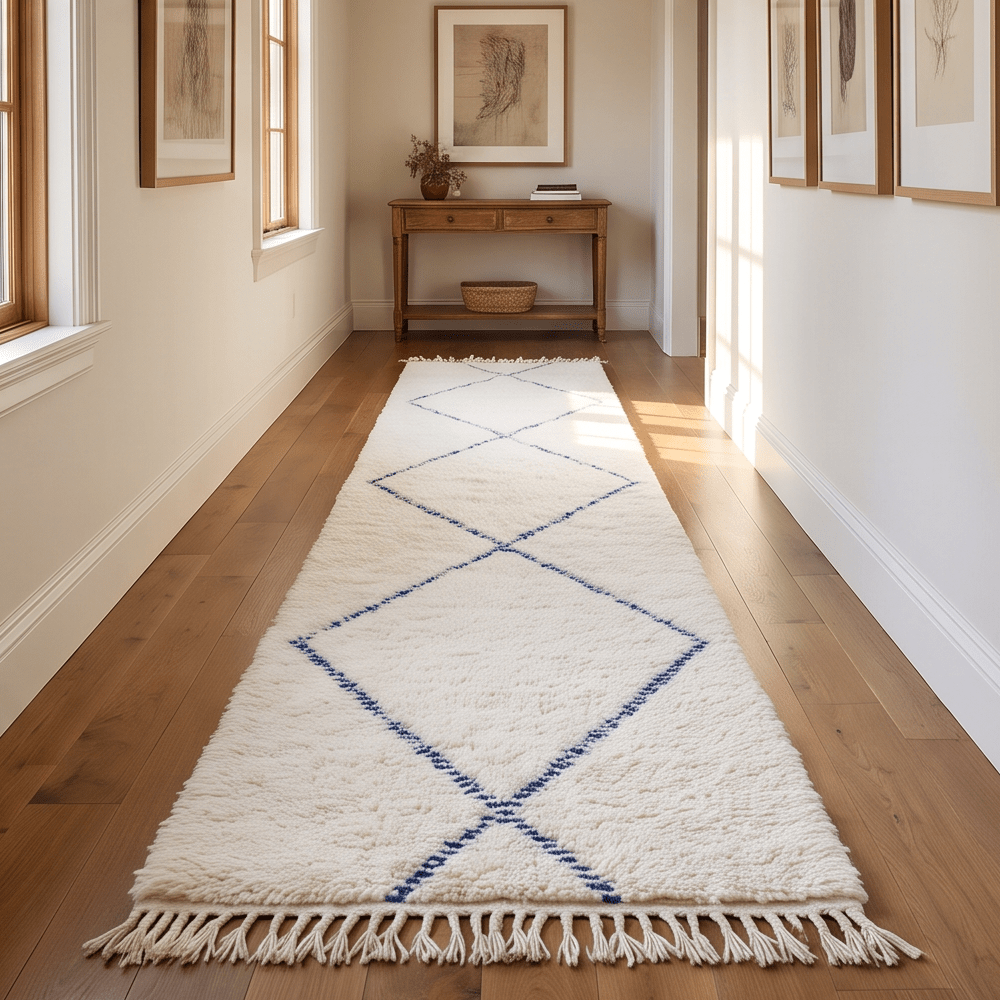
Vue de dessus du tapis de couloir Béni Ouarain écru à losanges bleus.
Save 23%
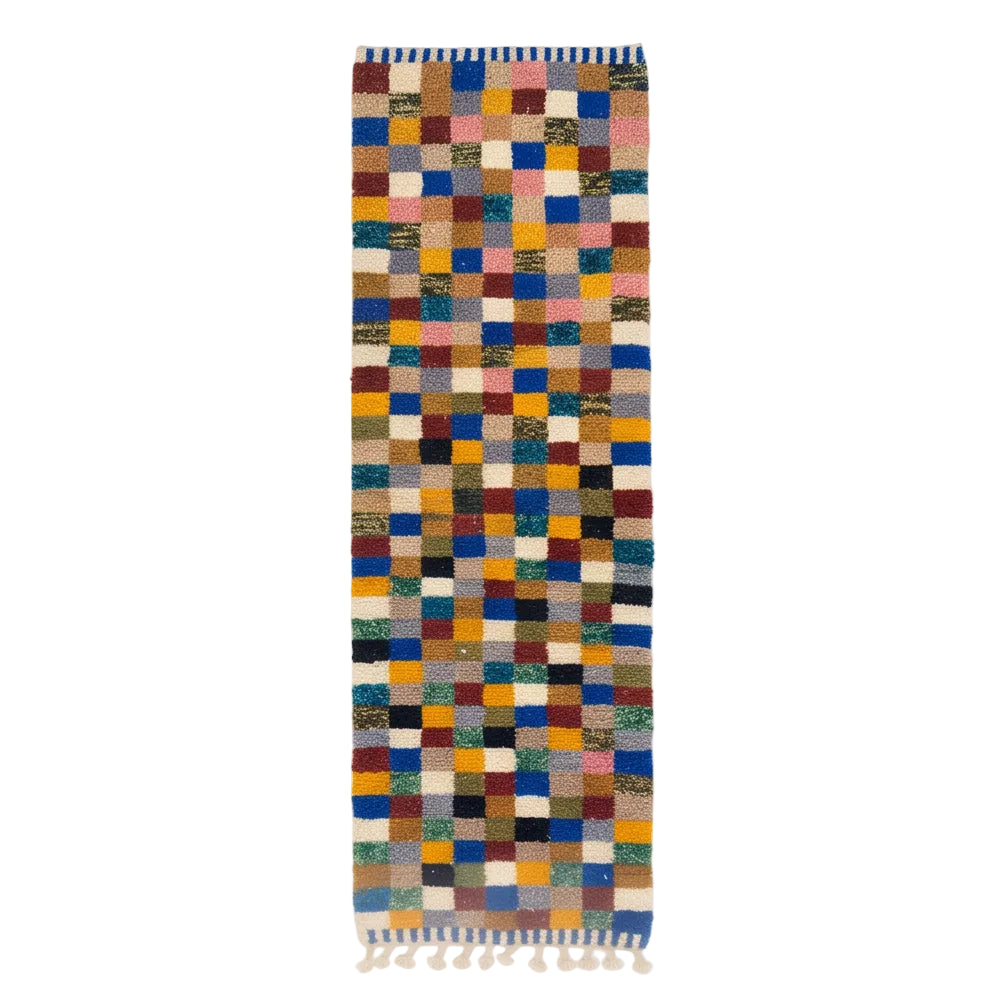
Vue de dessus du tapis de couloir Béni Ouarain à carreaux multicolores.
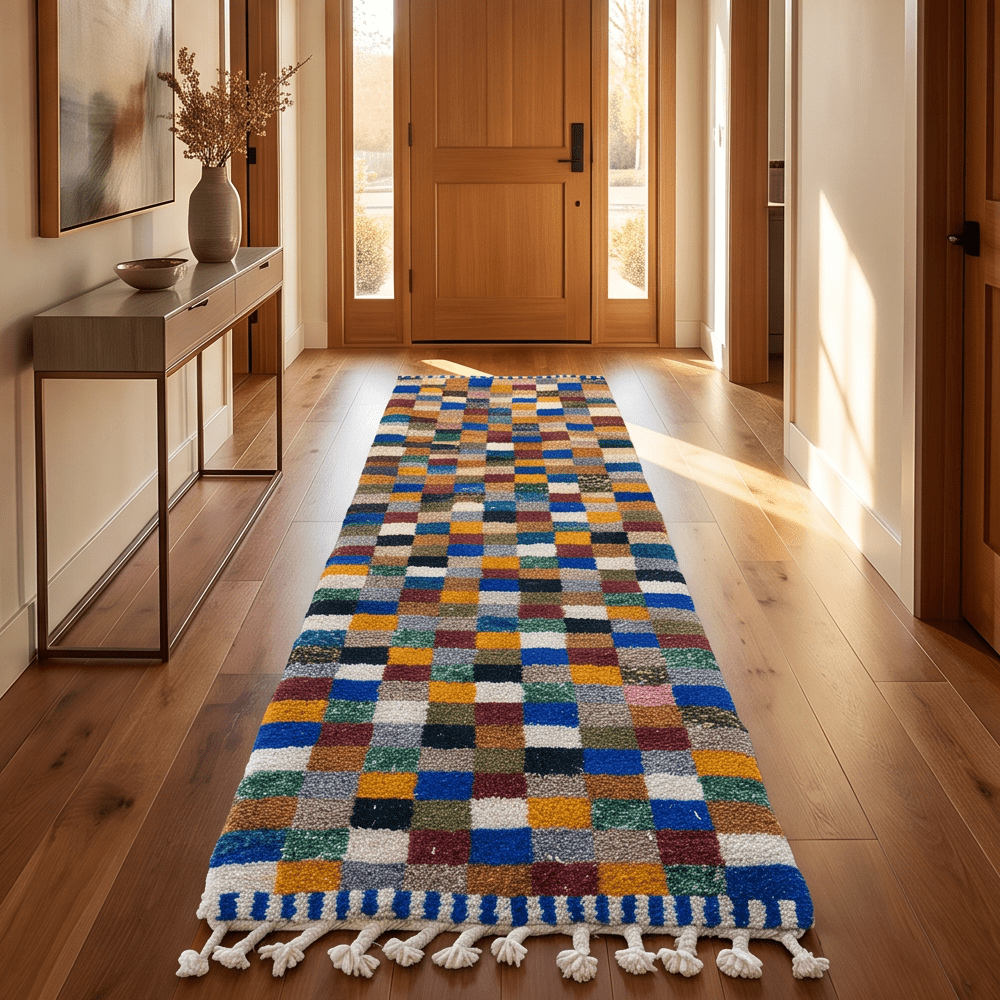
Multicolored Berber hallway runner Sale priceFrom $134.00
Save 29%
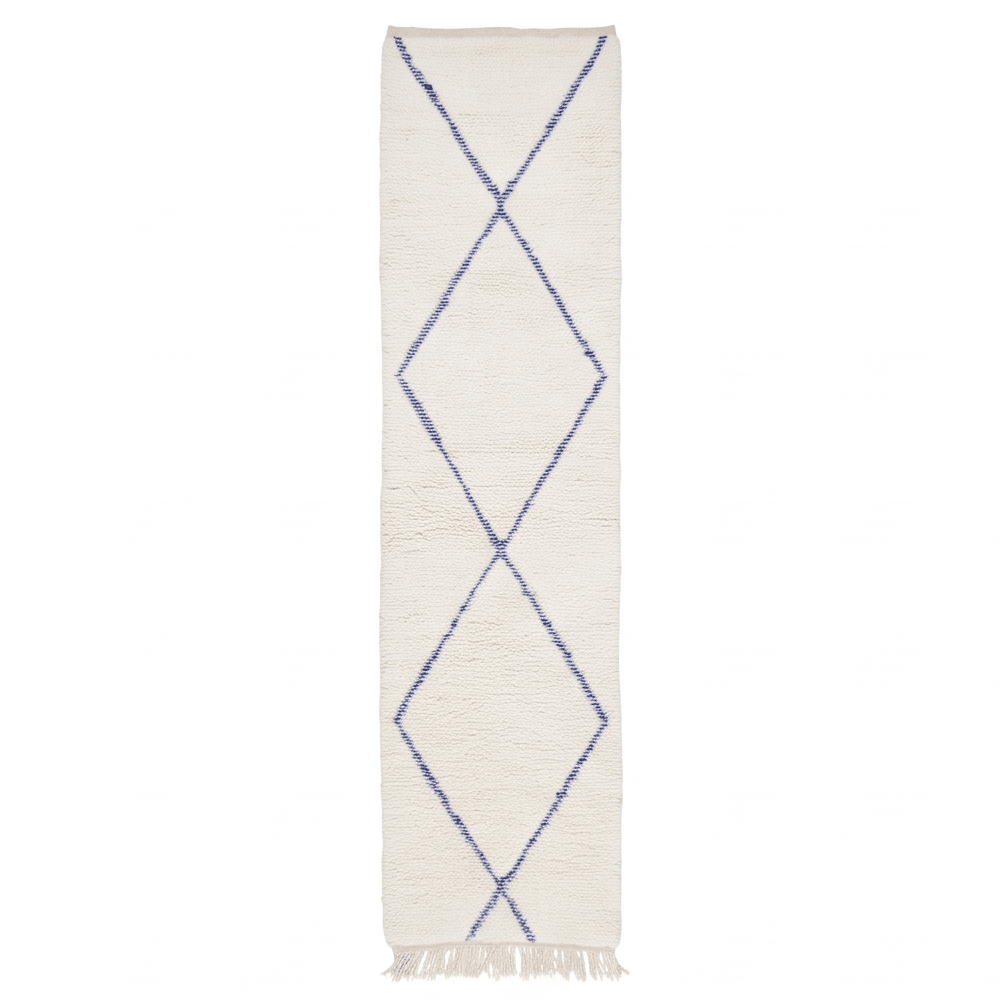
Vue de dessus du tapis de couloir Béni Ouarain écru à grands losanges bleus.
Save 42%
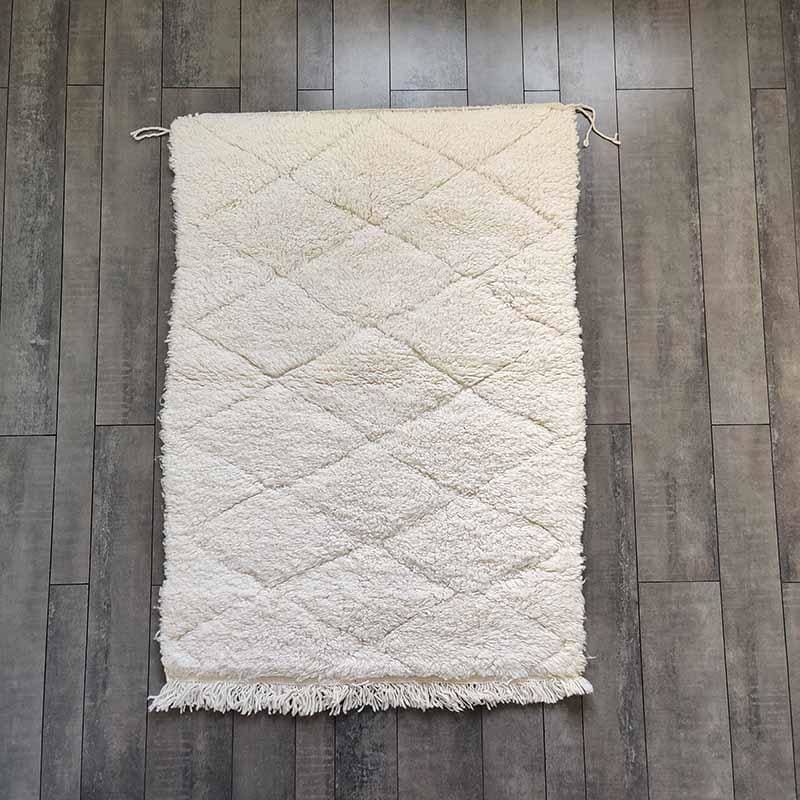
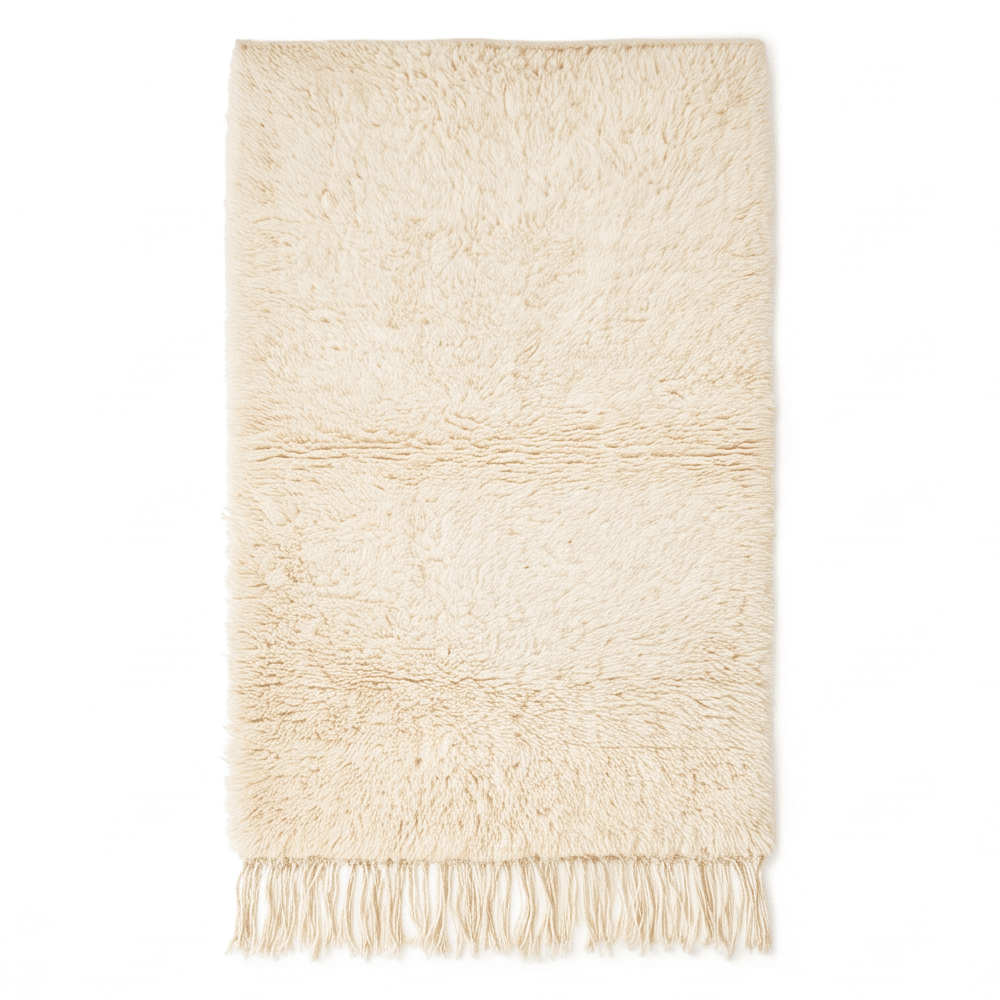
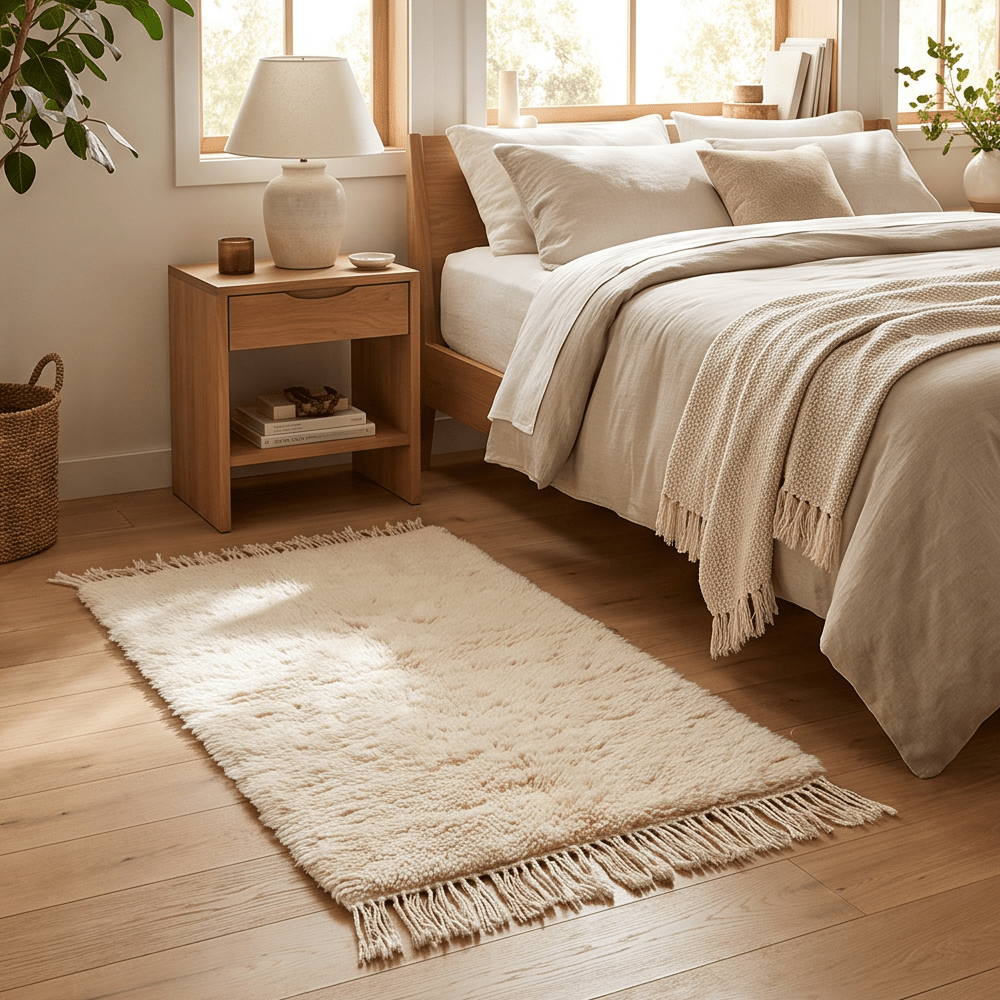
Vue de dessus d’un petit tapis berbère Béni Ouarain écru uni.
Small plain ecru Beni Ouarain rug Sale priceFrom $123.00 Regular price$213.00
On sale
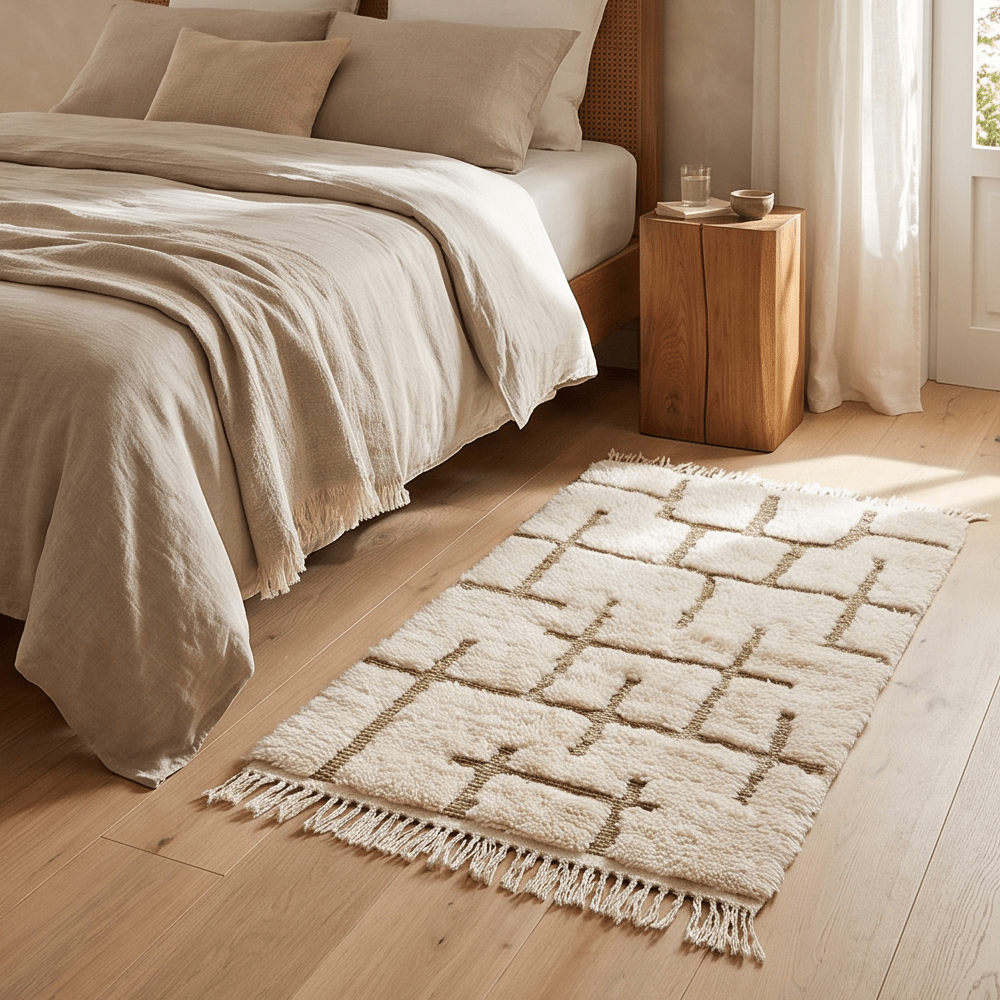
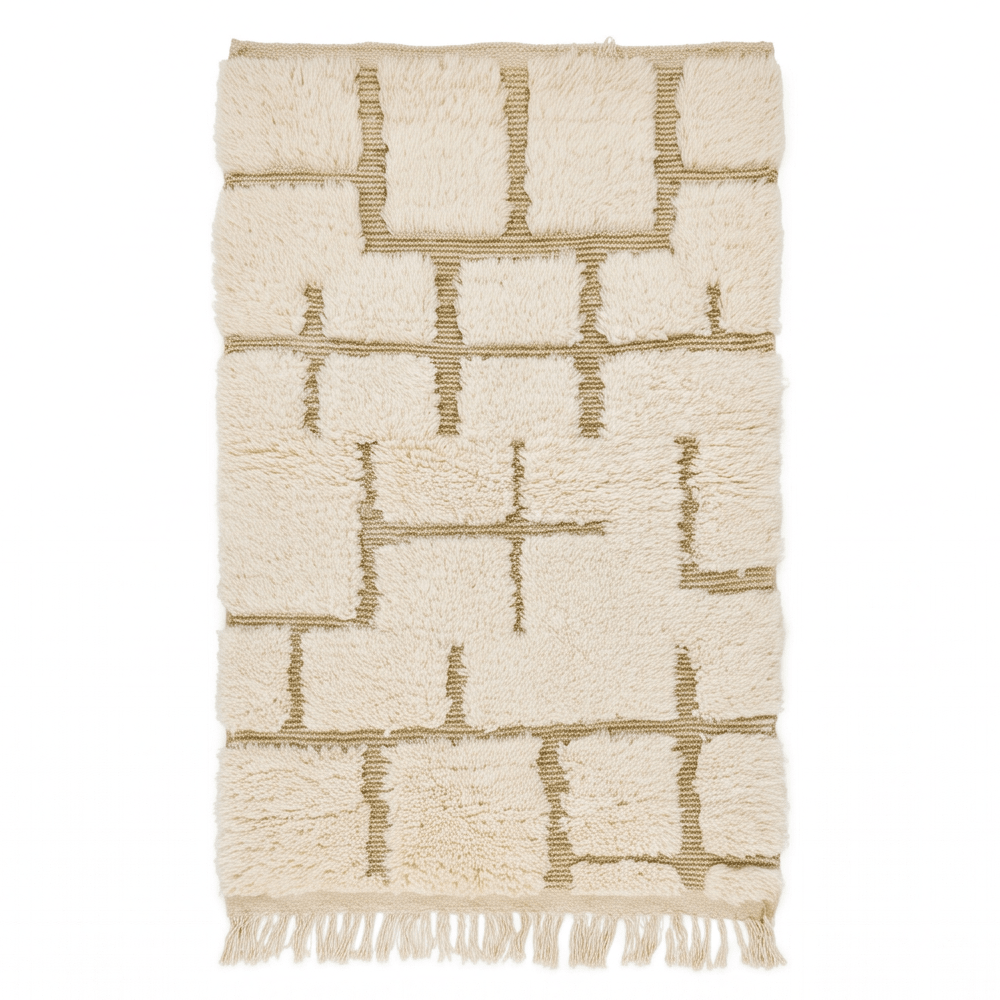
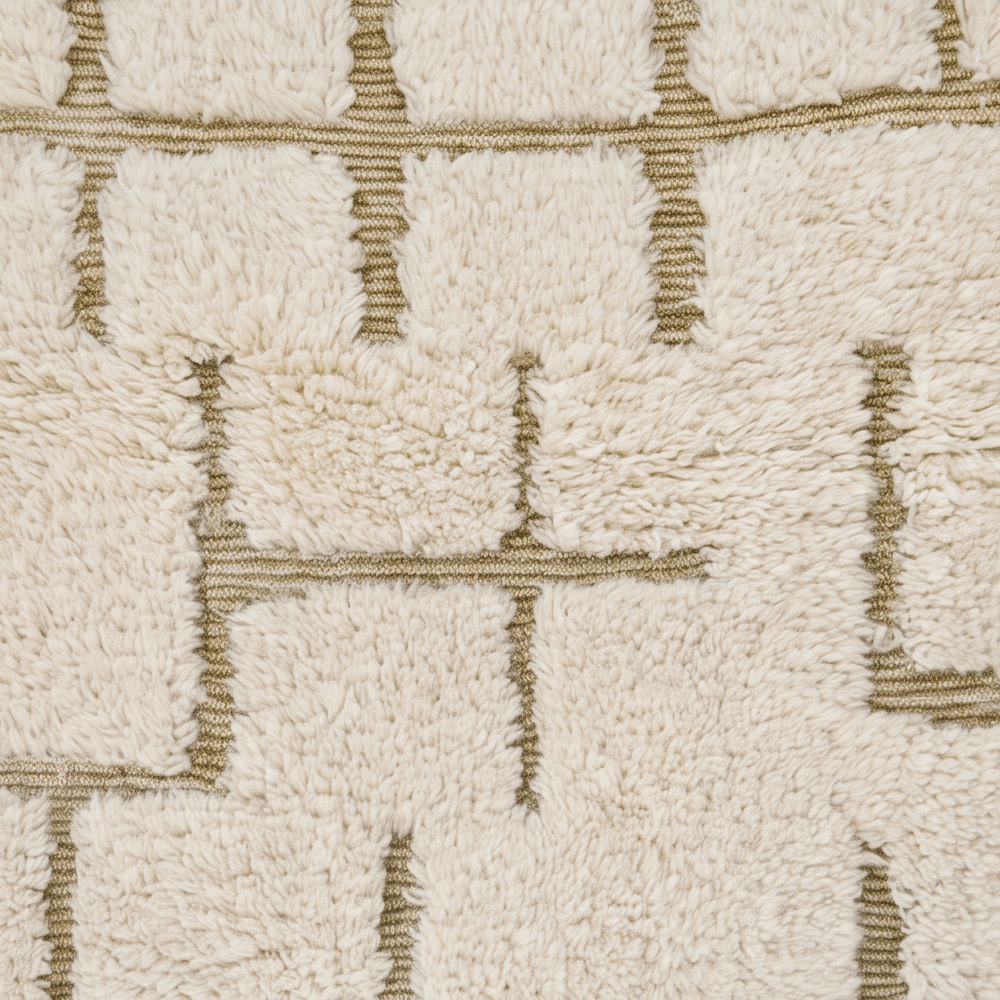
Vue de dessus d’un petit tapis Béni Ouarain écru et kaki à motif géométrique.
Save 22%
Vue de dessus d’un petit tapis Béni Ouarain taupe losange.
Save 22%
Vue de dessus d’un petit tapis Béni Ouarain noirs pois noirs.
Save 22%
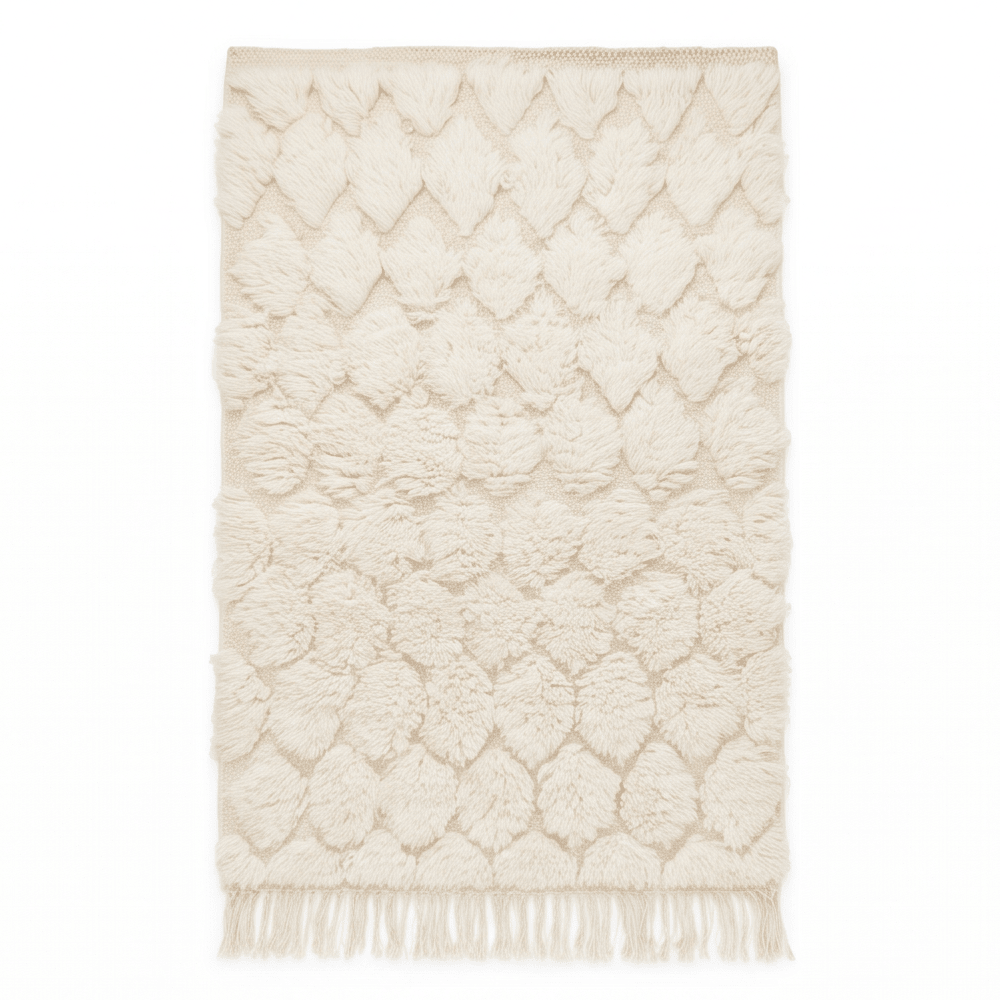
Vue de dessus du tapis Béni Ouarain motifs géométriques en relief en laine écrue.
Save 22%
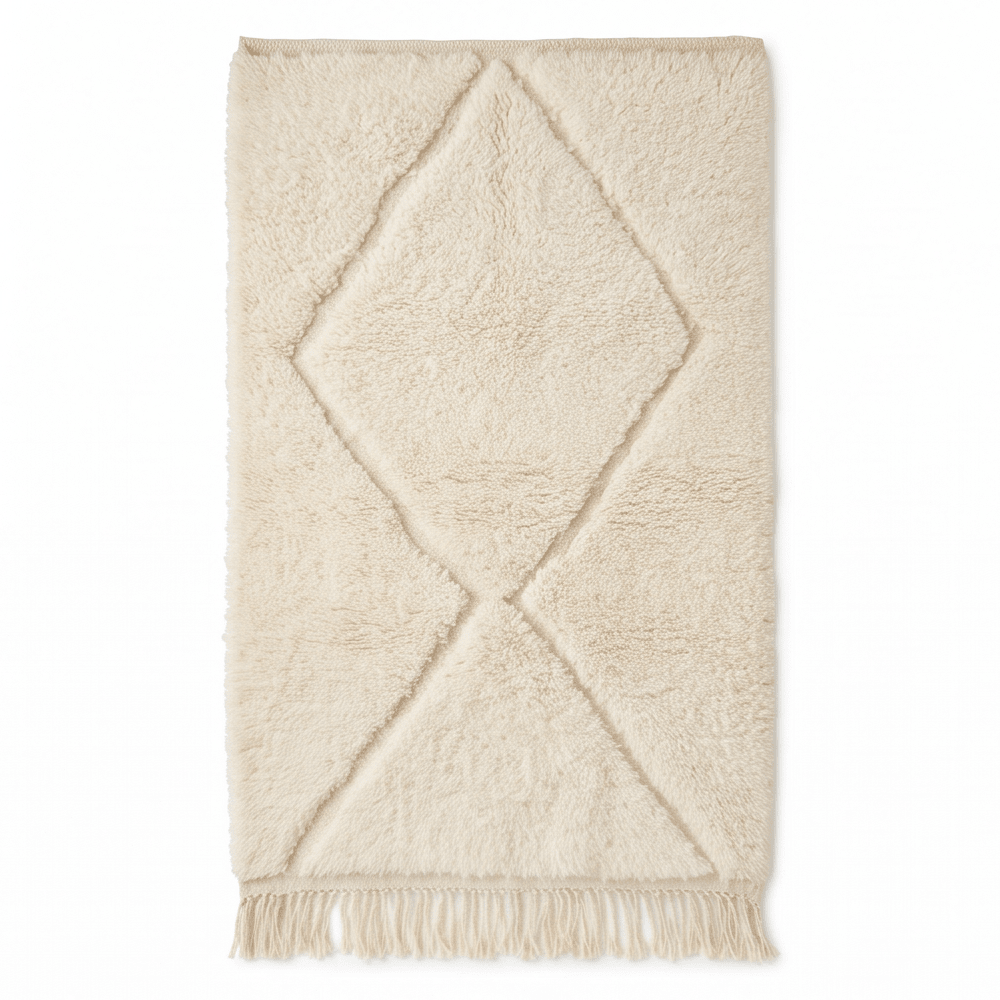
Small Beni Ouarain rug with recessed diamonds
Save 42%
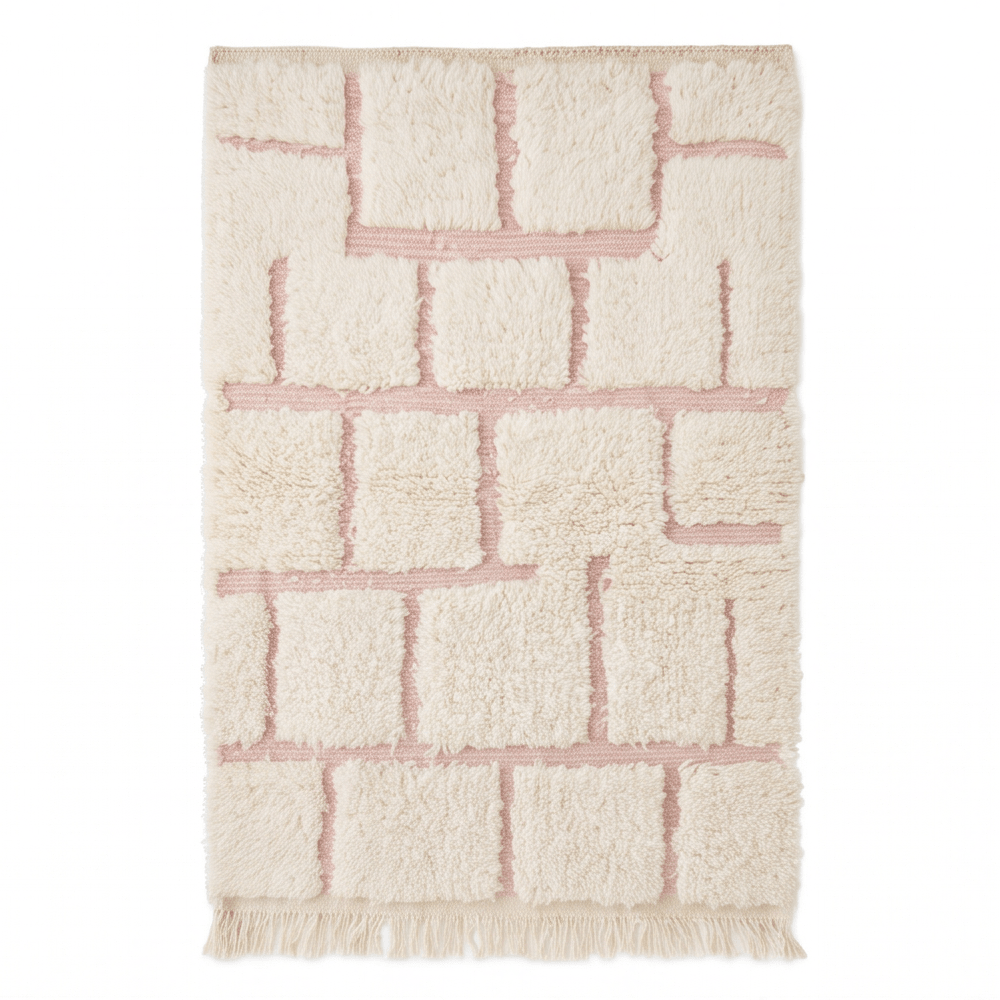
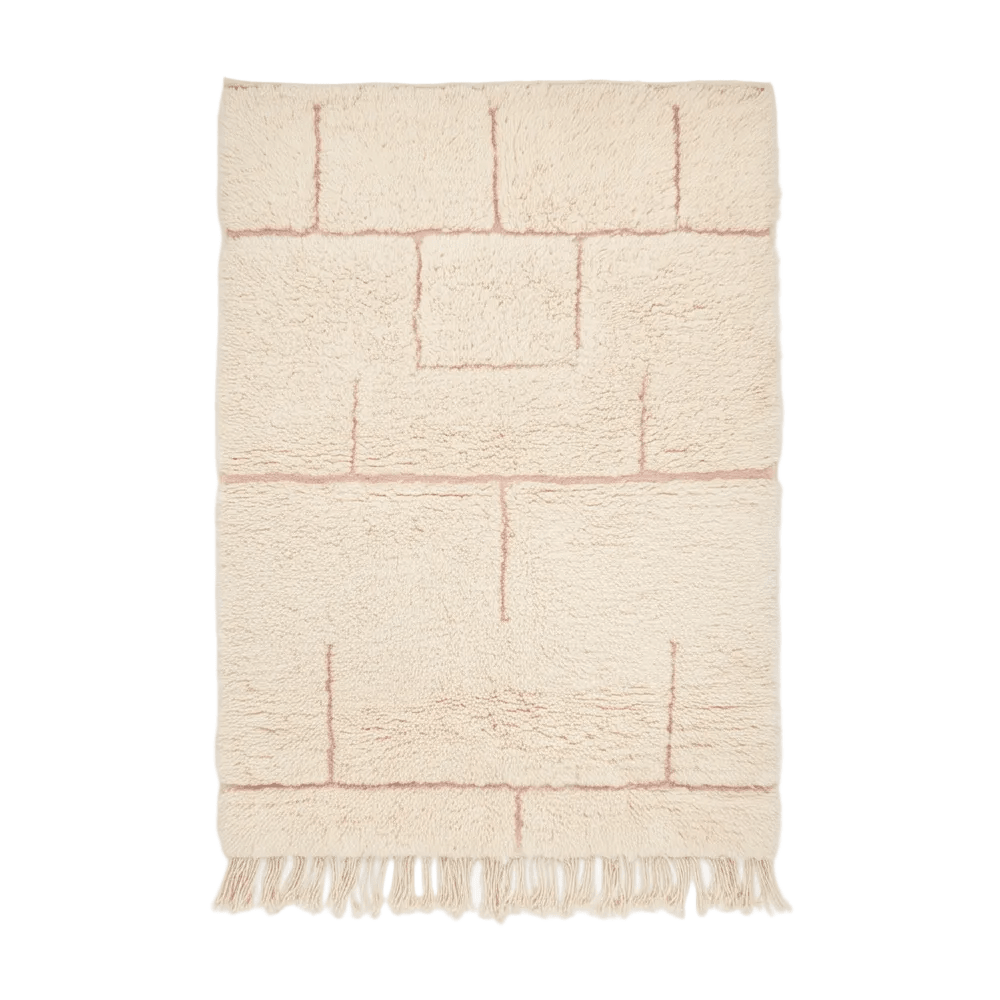
Vue de dessus du tapis Béni Ouarain motif géométrique rose en laine écrue et rose.
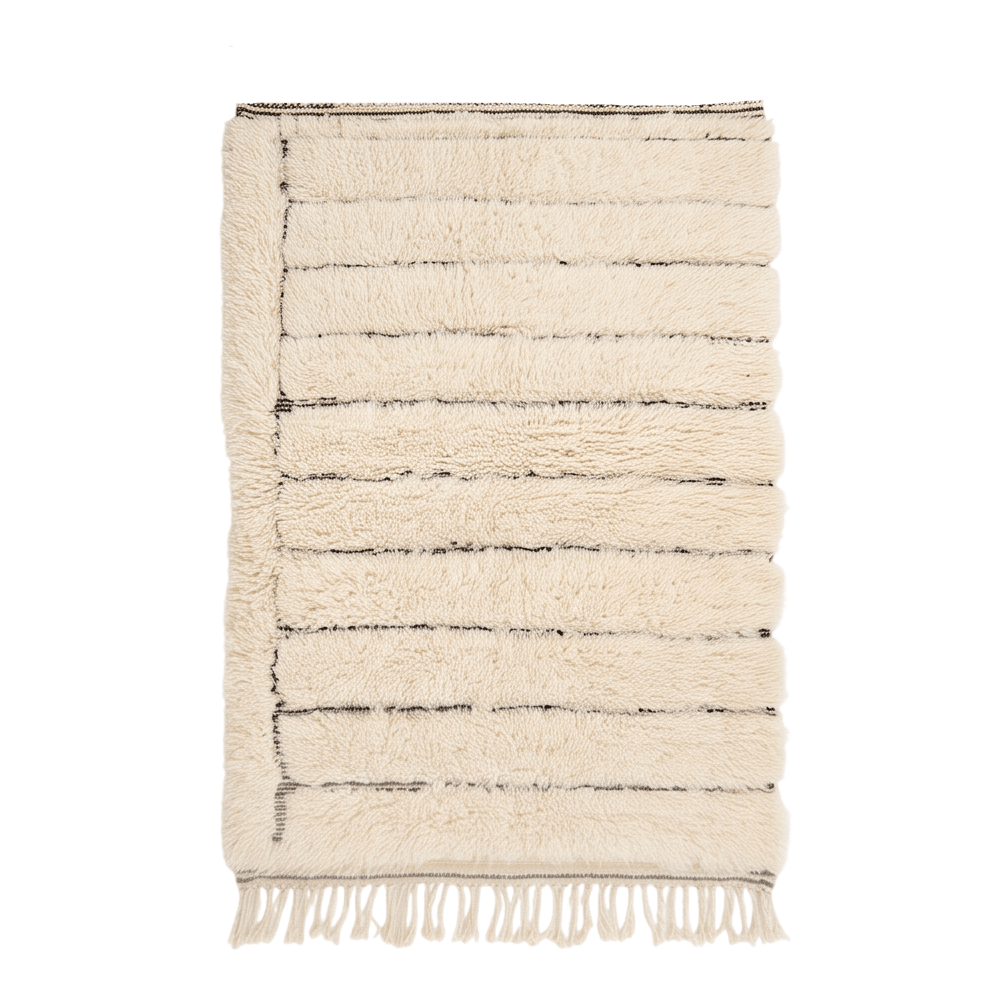
Small Moroccan rug with geometric pattern Sale priceFrom $123.00 Regular price$213.00
Save 22%
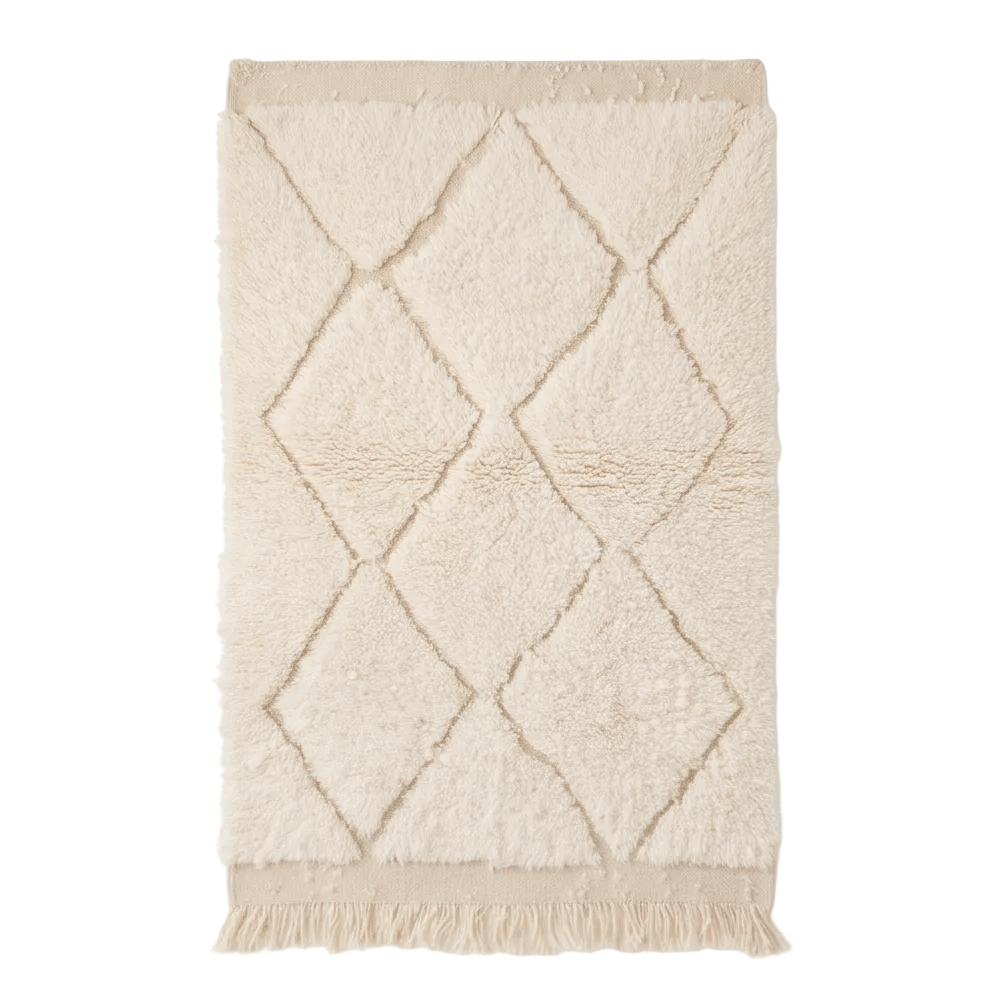
Vue de dessus du tapis Béni Ouarain losange en relief en laine écrue.
Save 22%
Vue de dessus du tapis Béni Ouarain lignes géométriques rose, laine écrue et rose.
Save 22%
Vue de dessus du tapis Béni Ouarain formes géométriques kaki, laine écrue et kaki.
On sale
Vue de dessus du tapis Béni Ouarain motif graphique , laine écrue et kaki.
Save 22%
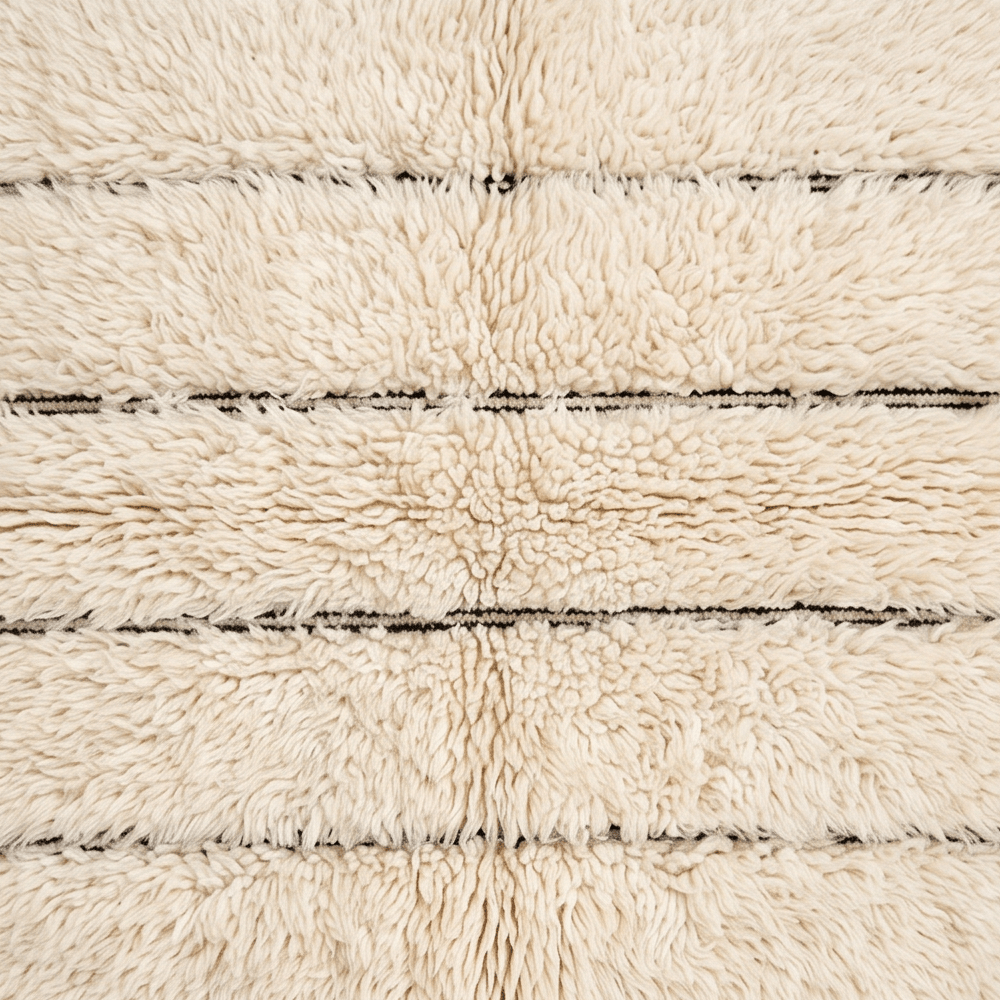
Vue de dessus d’un tapis Béni Ouarain lignes noires, laine écrue et noire.
Save 22%
Small Amana Beni Ouarain Rug
Small Amana Beni Ouarain Rug Sale priceFrom $134.00
Save 32%
Vue de dessus d’un tapis Béni Ouarain écru avec un grand losange ton sur ton en relief.
Save 22%
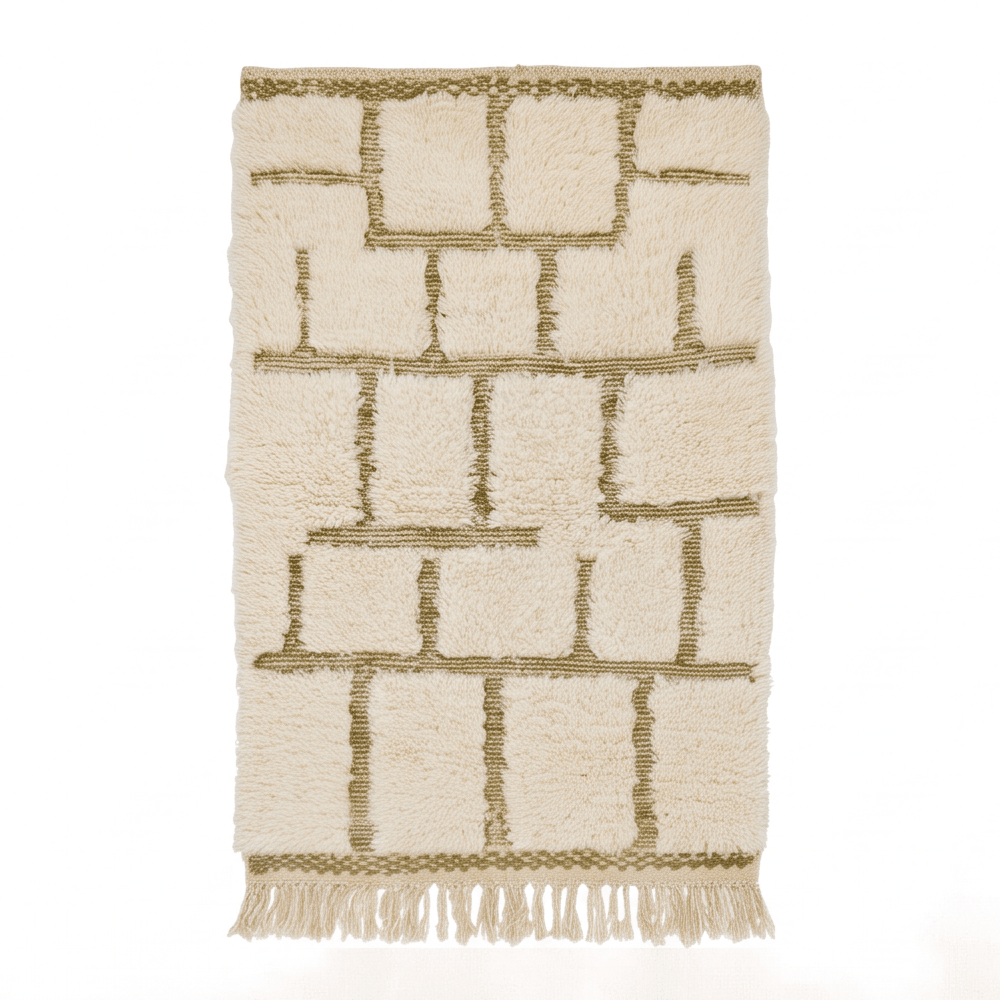
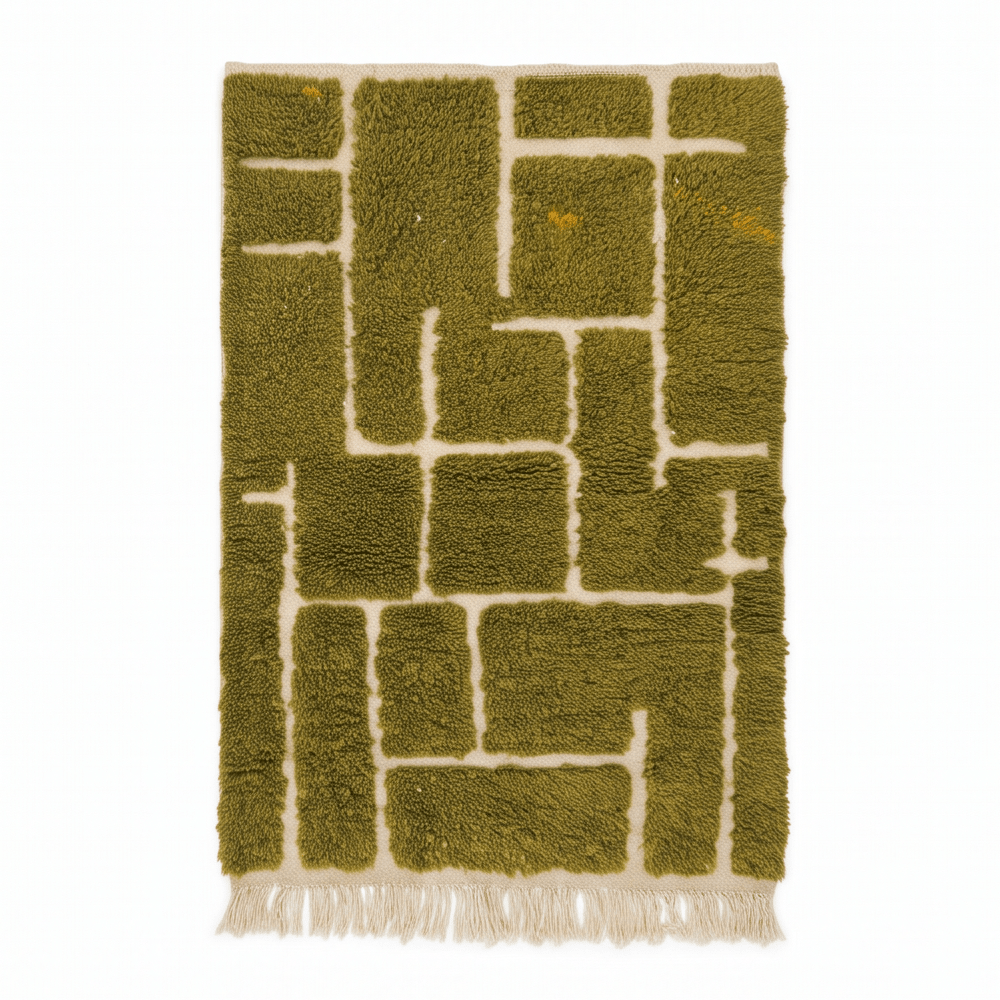
Vue de dessus d’un tapis Béni Ouarain formes géométriques olive, laine écrue et olive.
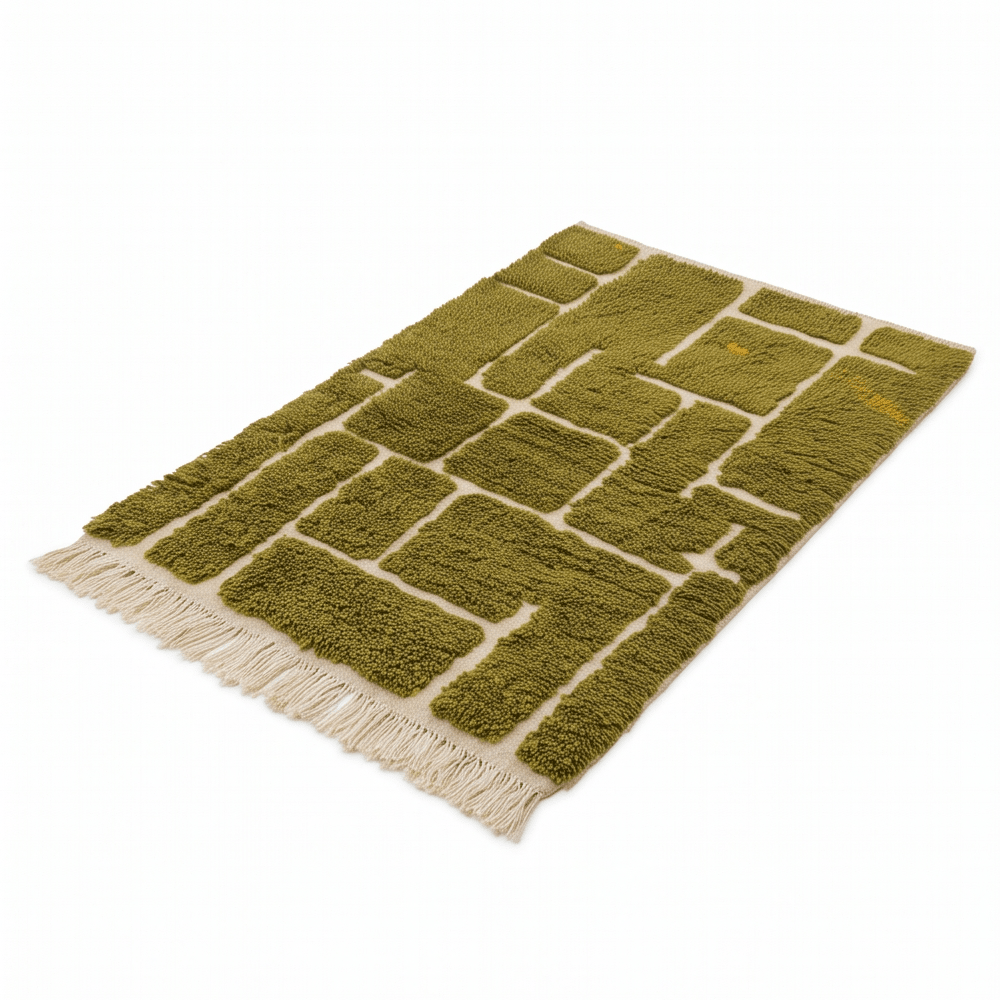
Small olive green Berber rug Sale priceFrom $134.00

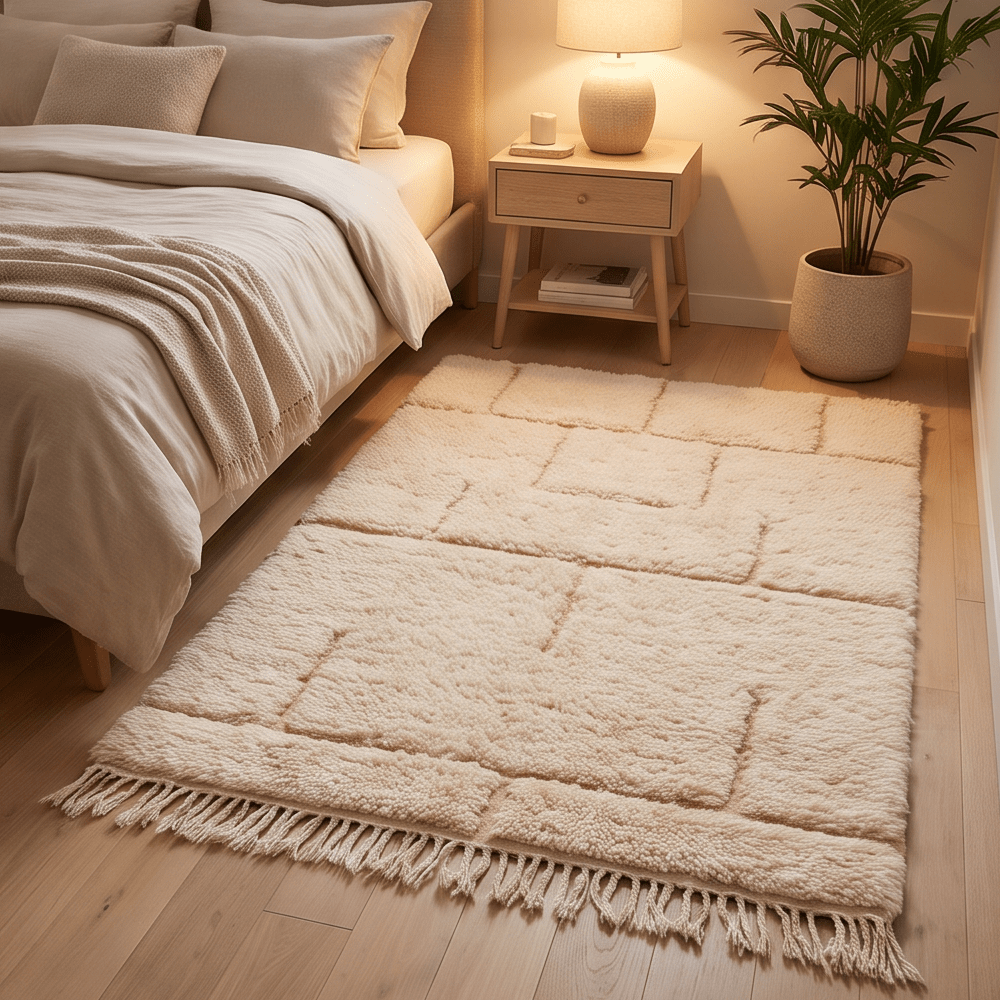
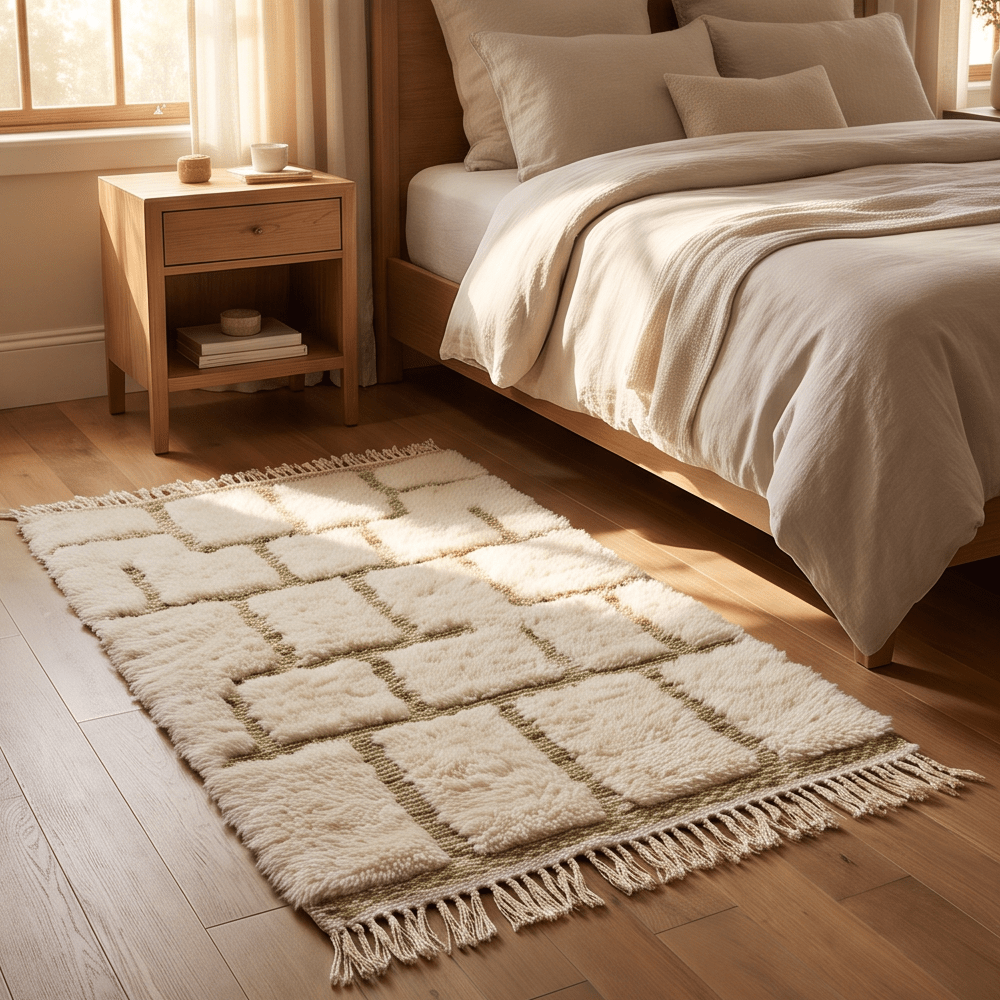
The Berber rug is one of the most elegant and refined rugs in the world. It is often placed in living rooms, kitchens, and bedrooms in beautiful bohemian, Scandinavian, or ethnic settings to bring a touch of softness and warmth to any interior. Its decorative and functional appearance, thanks to its thick and soft wool, provides an immediate feeling of well-being.

Berber rug and Moroccan rug

A rug of luxury and elegance

Interior designers are unanimous: the Berber rug is a luxurious product unlike any other rug in the world. It has a natural, unique, and distinctive elegance. Its geometric or aligned patterns are the main reasons for this. What is certain is the value of the natural wool from which it is made.

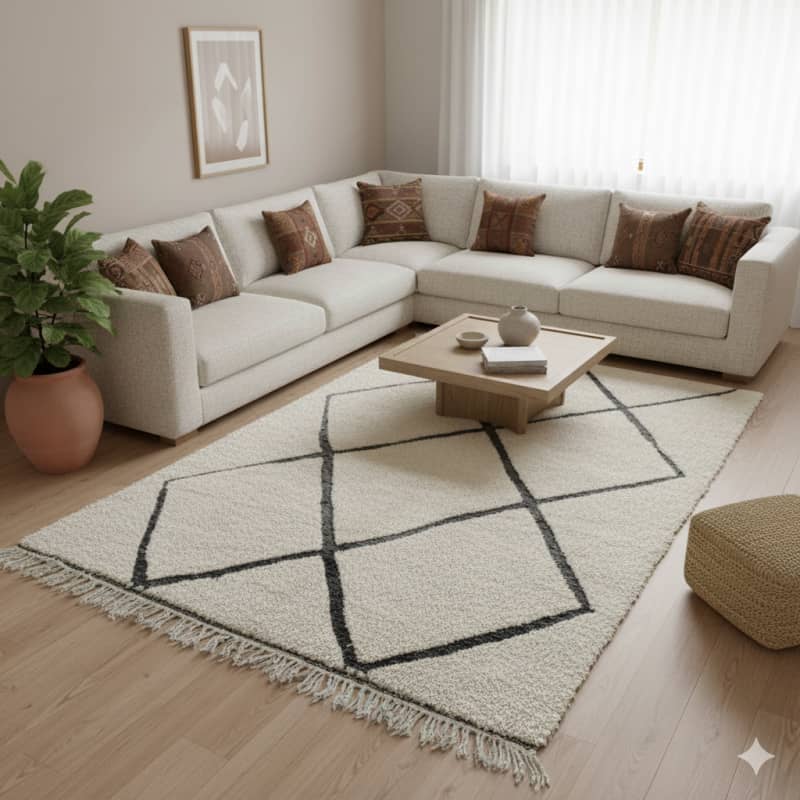
As a luxury product, it is most often found in the living room or bedroom alongside Moroccan cushions. With Berber cushions, it brings a touch of glamour to the decor and will surely stand out. It is also available in all colors, from red to blue, brown to black, or other colors, always with this characteristic white background.

An insulating and eco-friendly rug

The Berber rug is a high-quality thermal and sound insulator. In fact, it is used to keep warm in the mountains of North Africa in winter. In summer, it serves as home decor. You can place it either on the floor or on the walls. This proves that it is indeed an excellent thermal insulator. In addition, sound cannot pass through it, or at least, it loses volume as it passes through.

As a natural product, our Berber rug is also eco-friendly. It contains no synthetic elements and poses no health risks. It is warm, particularly soft, and pleasant to the touch. A Berber rug is also recyclable. It can be cut up to make Berber poufs or Berber cushions. The Moroccan rug resists the test of time and gains value as it ages; it can be kept for several decades.

Difference between a handmade Berber rug and a Berber-inspired rug

In the world of interior decoration, the Berber rug holds a place of honor, bringing warmth, comfort, and a touch of authenticity to any space. The distinction between an artisanal Berber rug and an industrial one lies not only in their manufacturing process but also in the history and culture they carry. By exploring these differences, you will discover why a rug handmade by Berber women from the Moroccan Atlas is much more than a simple decorative element; it is a piece of art filled with history and tradition.

Artisanal vs. industrial manufacturing

The artisanal manufacturing of Berber rugs, a tradition passed down from generation to generation, is at the heart of the craftsmanship and culture of the nomadic peoples of the Atlas. These rugs, often called Shaggy or Beni Ouarain, are knotted or woven by hand using virgin wool, which guarantees plush comfort and exceptional durability. Each rug tells a story through its unique geometric shapes, reflecting the life experiences, dreams, and hopes of the Berber women who make them. The geometric patterns, both simple and profound, evoke the elements of nature and the daily life of the nomads, making each piece distinctly ethnic and full of meaning.

Industrial Berber rugs, on the other hand, are mass-produced using machines. Although they may imitate the geometric aesthetics and multicolored or ecru colors typical of the Berber style, they lack the soul and cultural richness of artisanal pieces. The industrial process allows rugs to be produced more quickly and at a lower cost, offering a washable and practical option for those looking to incorporate contemporary design without the investment required for an artisanal piece.

The authenticity and value of an artisanal rug

Choosing a handmade rug means investing in craftsmanship and supporting local communities. These rugs are often made of virgin wool, which gives them unparalleled quality and softness. The rugs of the Moroccan Atlas, in particular, are famous for their contemporary design, which adapts harmoniously to various interior styles, from Scandinavian to modern. Whether for a living room rug, a child's bedroom, or a hallway rug, choosing an artisanal rug means choosing a unique product that adds an ethical and decorative dimension to your home.

For those interested in more accessible alternatives without compromising on style, our collection of non-artisanal Berber rugs offers options that imitate the elegance and simplicity of Berber designs. These contemporary rugs, available in rectangular, small rug, or large rug varieties, offer the sought-after geometric and multicolored look with ease of maintenance and at an affordable price, ideal for the interior decoration of every room, including high-traffic interiors.

The difference between an artisanal and industrial Berber rug goes beyond the manufacturing process; it touches the very essence of what a rug means. Choosing an artisanal Berber rug means choosing a piece of history, a link to the traditions of the Berber women and the nomadic peoples of the Moroccan Atlas. It is an investment in lasting beauty, quality, and authenticity. For those who prefer a more practical option, our collection of modern rugs offers Berber decor and style with a contemporary touch. Whatever your choice, a Berber rug will enrich your space with its charm and history.

Features of our handmade Moroccan rugs

MAZIR supports and collaborates directly with Berber women artisans in Morocco to respect fair trade and preserve this ancestral and timeless know-how.

In this collection, you will find a variety of unique Berber rugs with modern and authentic designs. From Kilim to Beni Ouarain, as well as Azilal, Zanafi, or even Boucherouite rugs in small and large sizes, with short or long pile, and thick or refined wool... Each type of rug comes from a Berber region of Morocco (Taznakht, Azilal, Beni Ouarain, Oukaimeden...).

The Beni Ouarain rug

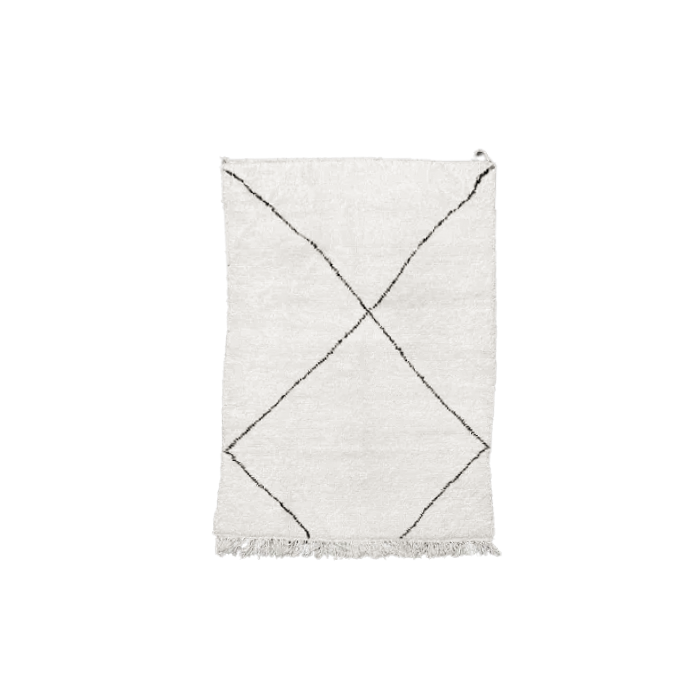
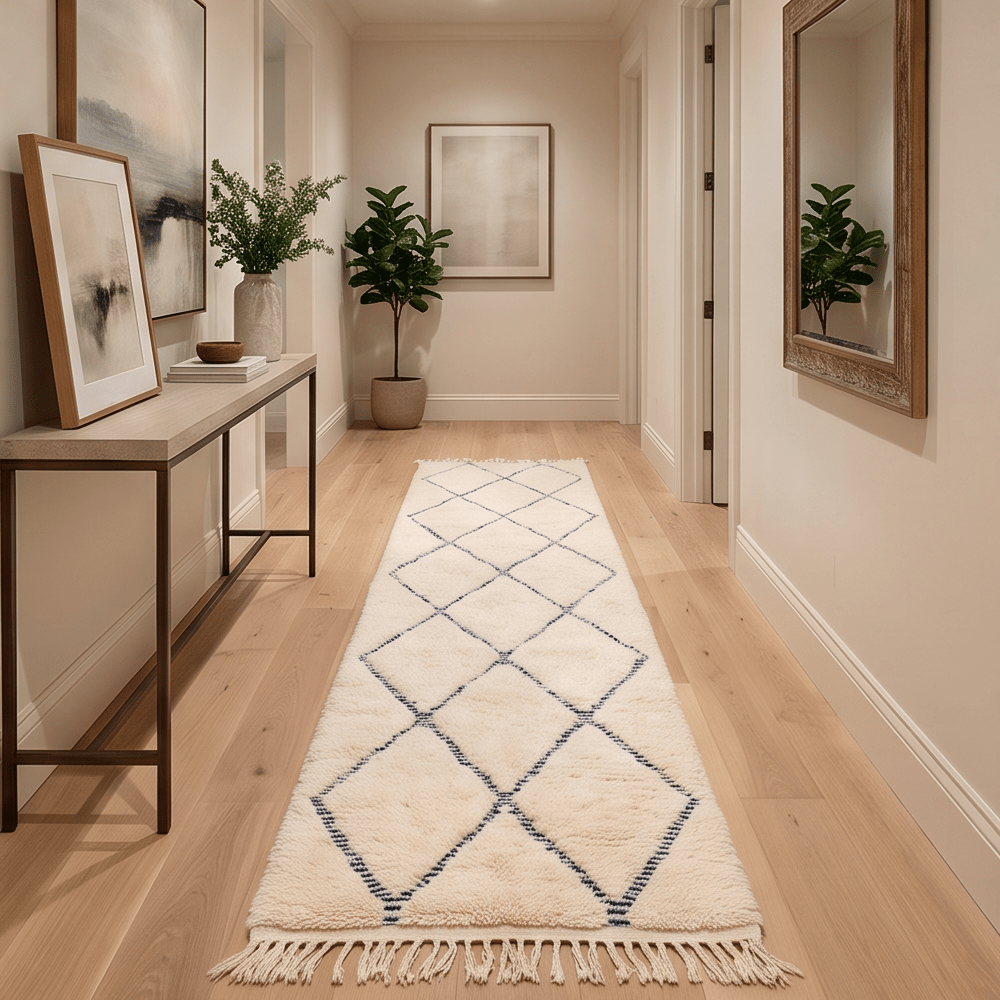
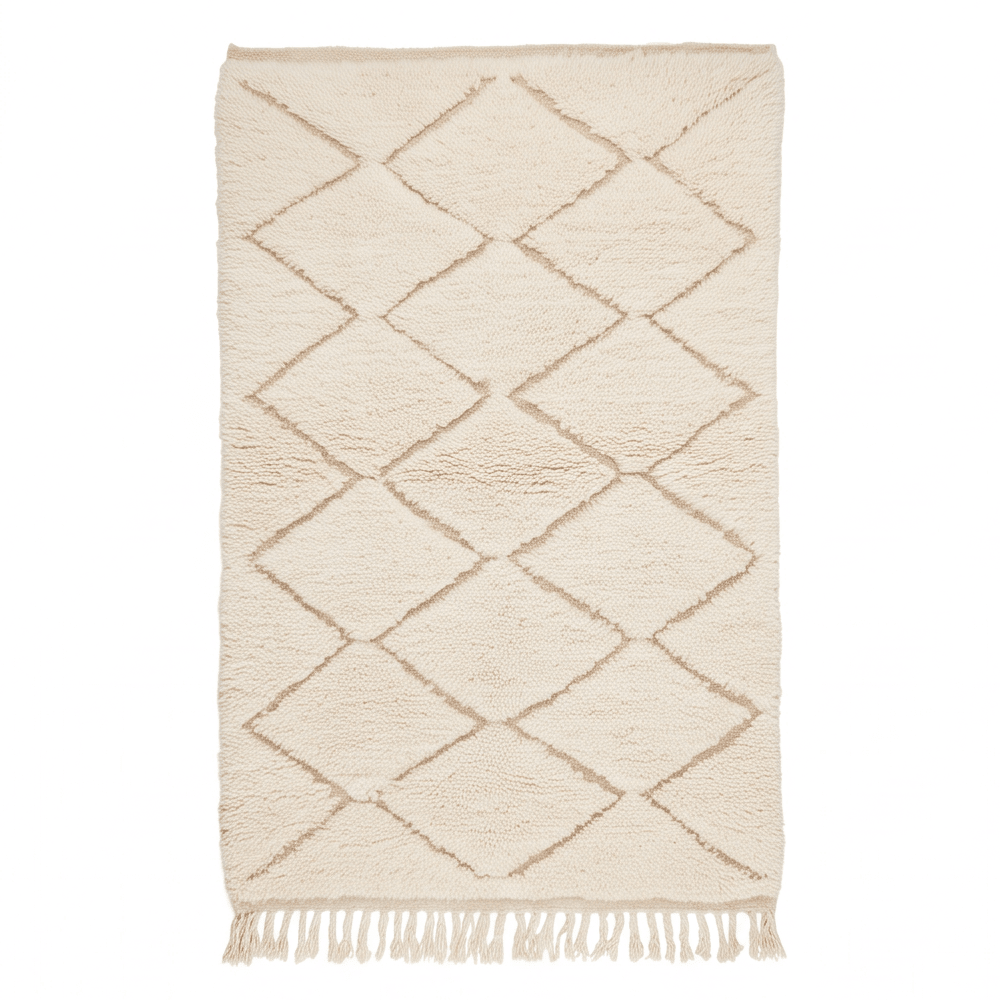
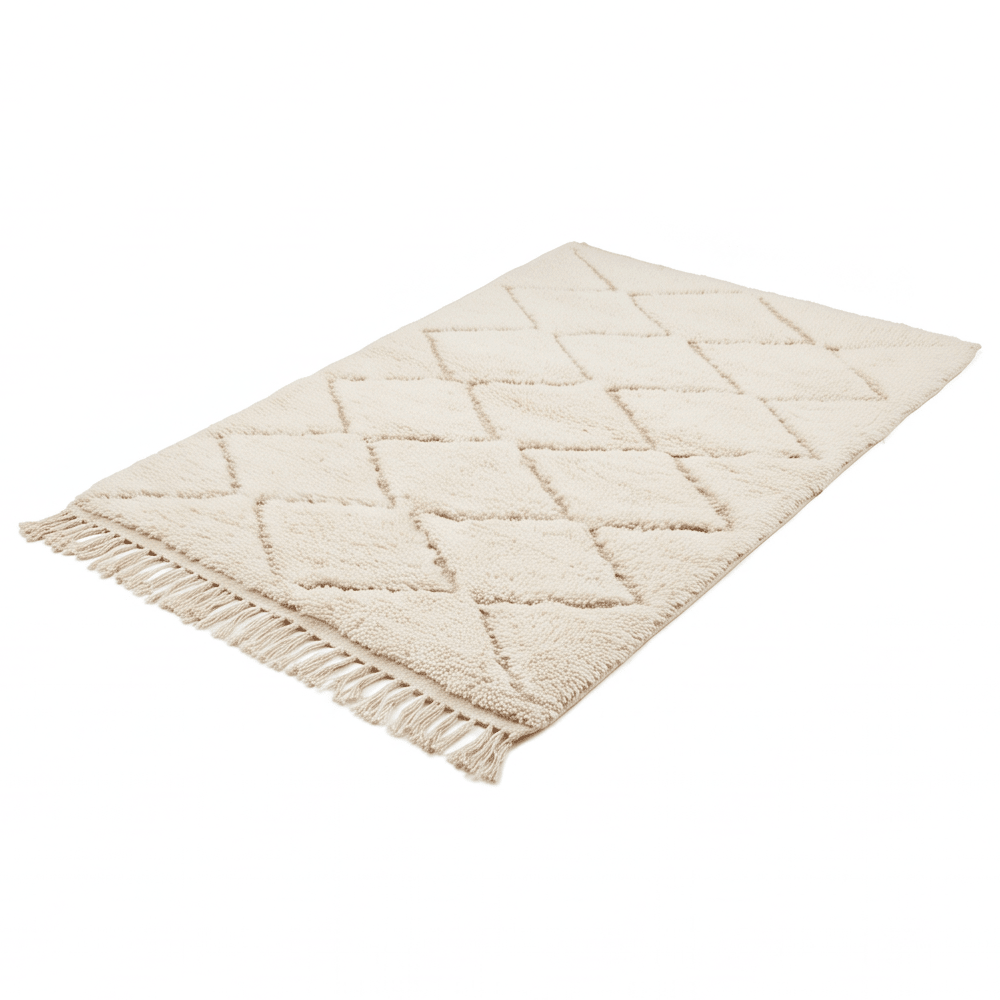
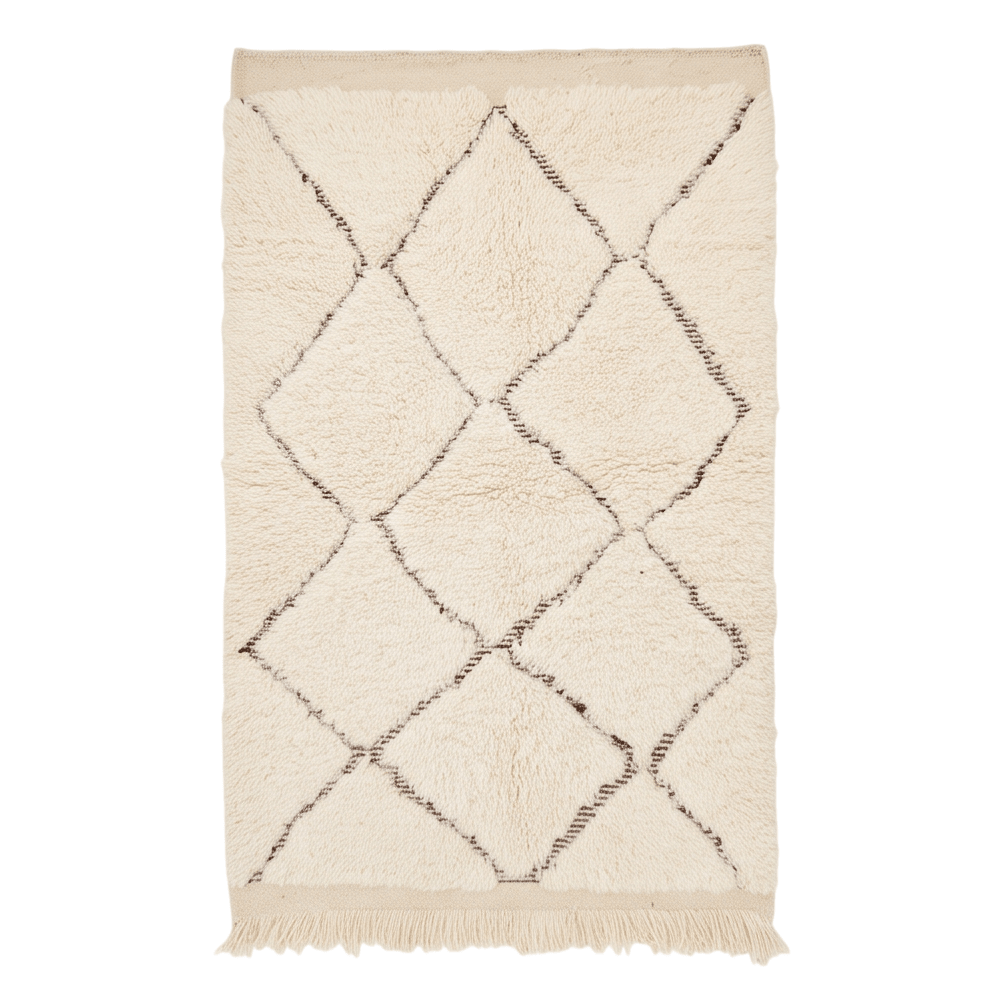
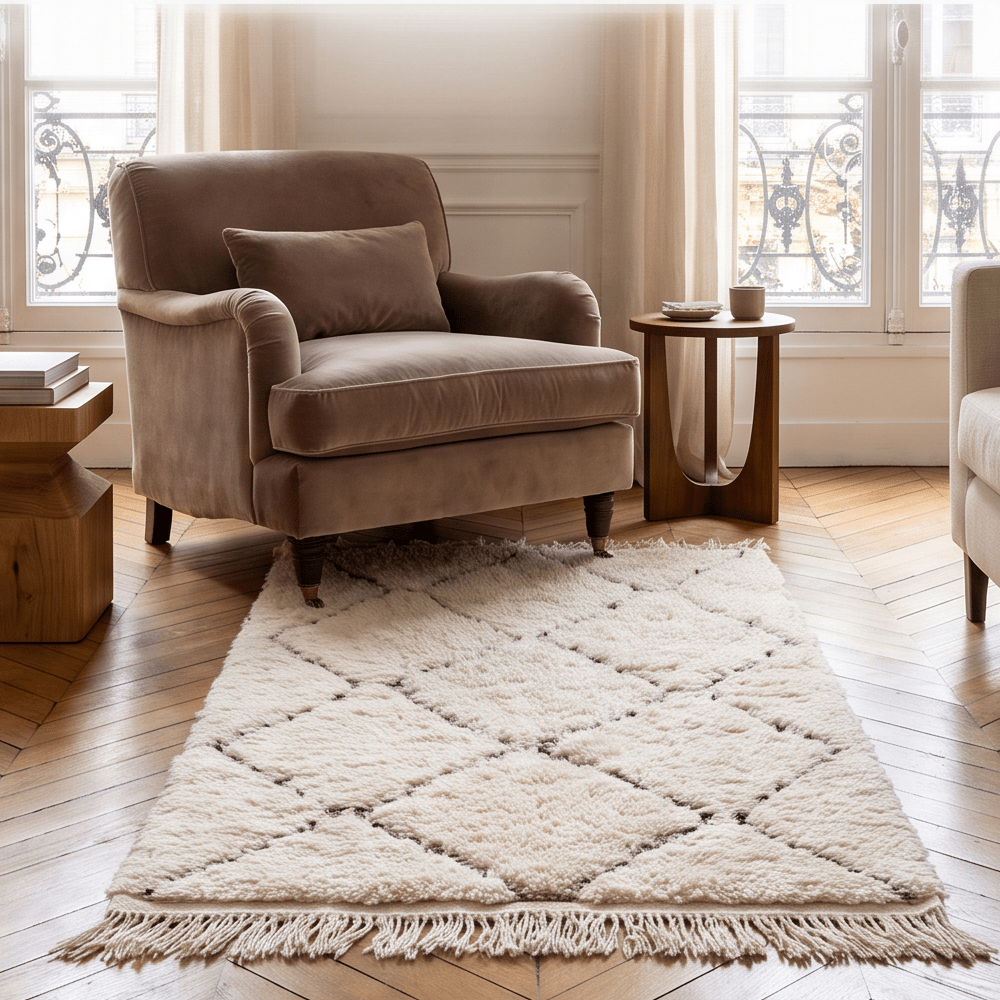
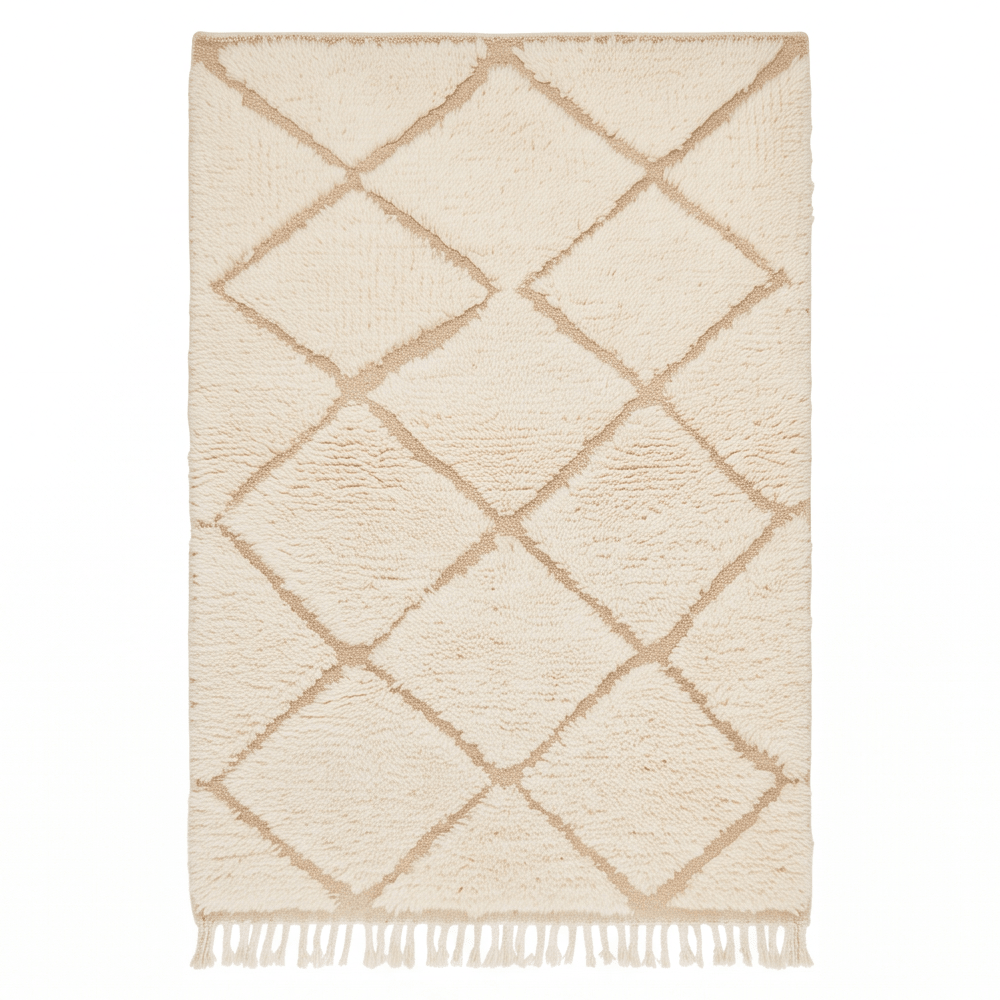
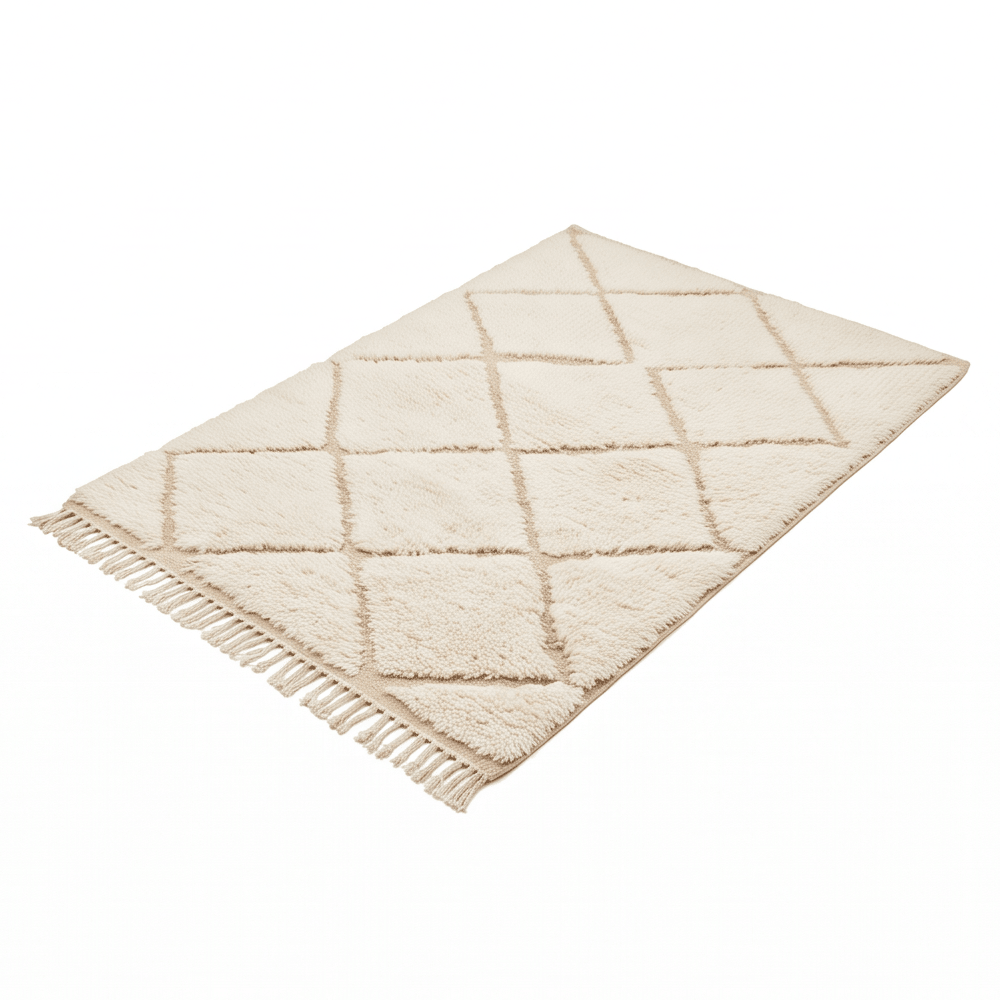
Very chic, the Beni Ouarain rug has a powerful charisma; it is recognized by its cream color and its diamonds, often in black. It is a Moroccan rug that adapts perfectly to chic and classy decor. Woven with natural sheep's wool, it is considered the most prestigious rug in Morocco and represents a symbol of Berber culture.

The Azilal rug

The Azilal rug is more colorful, with abstract designs. Its designs represent stories and each has a meaning that only the weaver knows. Through this rug, the Berber woman shares her emotions. 

The Azilal rug is often compared to abstract painting. Art galleries from around the world feature its rugs in exhibitions. Great artists such as Matisse, Paul Klee, and Le Corbusier were inspired by this rug in their work.

The Boucherouite rug

You will recognize the Boucherouite rug by its intense color and softness. At first glance, it even looks like a patchwork since it is made of recycled fabrics. Nevertheless, it remains a Berber rug with natural fibers, given that the fabrics that make it up are. This colorful Moroccan rug brings color to the dullest corners of the home.

Boujad rug

Very colorful, even flashy, the Boujad rug is dyed with fluorescent pigments. It is neither white nor cream, but rather red, blue, yellow, or even multicolored. In any case, it contains geometric patterns. Place it in the living room for a colorful bohemian touch.

How to maintain a Berber rug?

The Berber rug is easy to maintain. Anyone can do it themselves without necessarily needing a professional. However, a specialist is mandatory when there are major stains that are difficult to remove. But before going through their services, remember to clean it regularly. This way, you can preserve it better and enjoy its many benefits. How to go about it?

Regular maintenance: the basic steps

You should vacuum your Berber rug at least once every two months. You may sometimes notice wool fibers coming loose from the rug, which is completely normal. By vacuuming the surface of the rug, they will disappear. This process will fluff up the fibers even more and also soften the rug without altering its quality. 

Vacuuming twice a month is also recommended to keep the rug clean. Indeed, dust and dirt residues get embedded between the fibers, which deteriorates the rug. Be careful not to damage the rug with the vacuum cleaner. Avoid rubbing or sudden back-and-forth movements. You must follow the direction of the pile and set the vacuum cleaner to a low power level.

This way, you will have a beautiful rug that will last a long time. It will also prevent rapid fading since dirt is removed in time.

If there is a stain, treat it quickly. First, remove it with a paper towel, before spraying water and baking soda on it. If that doesn't work, use white vinegar and water. Gently rinse the affected area and wait for it to dry. Afterwards, vacuum.

Deep cleaning

A deep cleaning is necessary once a year. When the sun is out, take your rug outside, preferably hanging it, and clean it with water.

  • Take a mild liquid shampoo and dilute it in water;
  • Spray the solution gently, focusing on the dirtiest areas. You can use dry shampoo if you don't like splashes;
  • Rub gently with a clean cloth;
  • Rinse with cold water;
  • Let dry in the sun;
  • Vacuum.

Tips:

You can also use a steam vacuum to clean your Berber rug. Be careful to stay gentle. Since natural wool rugs are at risk of tearing, this type of cleaning is reserved for Berber blankets and non-handmade cotton rugs

The steam vacuum can always be used to scent the rug. Put essential oil in it and pass it over the rug. Let it dry in the sun so that the scent soaks in. Speaking of the sun, note that the Berber rug needs it. You should therefore expose it to the sun from time to time to maintain its quality.

FAQ - Berber Rugs

Can't find the answer to your question? Our team is here to help:📞 09 82 79 01 93 - 📩 contact@mazir.fr